Cultural Continuity in Chinese Underwear From Past to Present
- 时间:
- 浏览:161
- 来源:CN Lingerie Hub
When you think about fashion evolution, underwear might not be the first thing that comes to mind—especially Chinese underwear. But dig a little deeper, and you’ll find a rich, often overlooked story of cultural identity, craftsmanship, and quiet rebellion. From ancient silk bindings to modern eco-friendly loungewear, Chinese undergarments reflect more than just changing trends—they mirror societal values, gender norms, and technological progress.
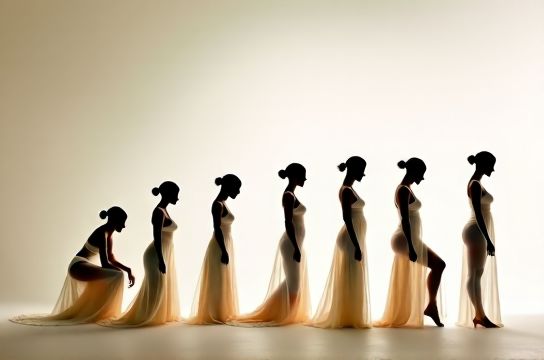
Let’s rewind to the Han Dynasty (206 BCE–220 CE). Underwear back then wasn’t about sex appeal—it was about modesty and hierarchy. The wealthy wore layered silk shanku (upper and lower garments), while commoners used hemp. Fast-forward to the Qing Dynasty, and we see the rise of the xiapei—a sleeveless undershirt often embroidered with auspicious symbols like peonies or dragons. These weren’t just clothes; they were coded messages about status and luck.
But the real game-changer? The 20th century. With Western influence flooding in during the Republican era (1912–1949), bras and briefs started replacing traditional wraps. Yet, even then, local tastes shaped adoption. For example, early Chinese bras were designed with looser fits—reflecting comfort over contour, a preference still seen today.
Now, let’s talk numbers. According to a 2023 report by Statista, China’s intimate apparel market hit $18.7 billion, with domestic brands capturing over 60% of sales. Why? Because global giants like Victoria’s Secret underestimated one thing: cultural nuance.
| Year | Market Size (USD Billion) | Top Local Brand | Consumer Preference |
|---|---|---|---|
| 2018 | 12.3 | Maniform | Comfort & Health |
| 2020 | 15.1 | NEIWAI | Natural Fabrics |
| 2023 | 18.7 | NEIWAI | Minimalist Design |
Take NEIWAI (literally “inner/outer”), launched in 2014. Instead of pushing padded push-ups, they marketed soft bras made from organic cotton and bamboo fiber—aligning with traditional Chinese values of balance and harmony. Their “No Wire, No Worries” campaign resonated deeply, especially among urban women aged 25–35.
And it’s not just materials. Color symbolism runs deep. While red has long stood for luck and fertility (common in wedding qipao linings), modern brands now use muted earth tones to appeal to minimalist aesthetics without losing cultural roots.
So what’s next? Sustainability meets tradition. Brands like Bloomchic are blending ancestral patterns with recycled fabrics, creating pieces that feel both nostalgic and forward-thinking. As consumers demand authenticity, the line between heritage and innovation blurs—in the best way possible.
In short, Chinese underwear isn’t just evolving—it’s reclaiming its narrative. Whether you're into history, fashion, or cultural studies, this quiet revolution is worth watching.