From Tradition to Trend Chinese Intimacy Evolution
- 时间:
- 浏览:193
- 来源:CN Lingerie Hub
China’s love life? It’s not just about arranged marriages and shy glances anymore. The story of intimacy in China has flipped—from silent courting rituals to swipe-right romance, from hushed bedroom whispers to open conversations on wellness and desire. Let’s dive into how Chinese intimacy evolved from tradition to trend, spiced with data, cultural shifts, and a dash of modern flair.
The Old-School Rules: Modesty Over Passion
Back in the day, talking about sex? Taboo. Marrying for love? Rare. In pre-1980s China, intimacy was more duty than delight. Marriage was often family-arranged, love took a backseat, and public affection? Practically forbidden.
A 1985 survey by sociologist Li Yinhe found that over 60% of couples avoided physical affection in public. Sex education? Almost nonexistent. The focus was on reproduction, not pleasure.
The Digital Love Revolution
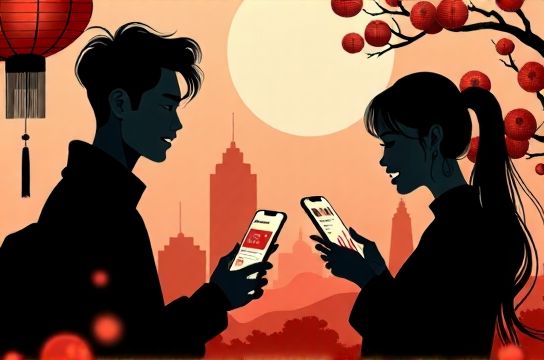
Fast-forward to today—hello, Tinder-style apps! Platforms like Momo, Tantan, and Baihe have rewritten the rules. Tantan alone boasts over 5 million daily active users (2023 data), with 70% aged 18–35. Swipe culture isn’t just Western—it’s woven into China’s urban dating fabric.
But it’s not all hookups. A 2022 Peking University study revealed that 58% of young adults now prioritize emotional connection over family approval when choosing partners. That’s a seismic shift from tradition.
Sexual Wellness Goes Mainstream
Remember when condoms were sold behind pharmacy counters with zero eye contact? Now, brands like Perfect Diary spin off intimate care lines, and e-commerce platforms openly sell lubricants, vibrators, and pelvic trainers. Alibaba reported a 140% surge in intimate product sales from 2020 to 2023.
Why? Because Gen Z is redefining self-care. Talking about sexual health isn’t shameful—it’s savvy.
Cultural Contradictions & Regional Gaps
Yet, it’s not all progress. Urban hubs like Shanghai and Beijing lead the charge, but rural areas lag. According to China CDC, only 30% of rural youth receive formal sex education, versus 75% in cities.
And while LGBTQ+ visibility grows—thanks to social media and underground pride events—legal recognition? Still absent. But change is brewing.
Intimacy in Numbers: A Snapshot
| Metric | 1980s | 2023 |
|---|---|---|
| Avg. Age at First Marriage | 22 (women) | 28.5 (women) |
| Pre-Marital Sex Acceptance | ~15% | ~76% |
| Dating App Users (Millions) | 0 | 120+ |
| Sex Ed in Schools (Urban) | Nearly none | 75% |
The Road Ahead
China’s intimacy evolution is a dance between old values and new desires. Respect, family, and modesty still matter—but so does consent, pleasure, and personal choice. As censorship loosens (slightly) and education expands, the future looks more open, informed, and yes, a little steamier.
So whether you’re swiping in Shanghai or soul-searching in Sichuan, one thing’s clear: Chinese intimacy isn’t stuck in the past. It’s boldly stepping into a more honest, empowered era.