From Modesty to Empowerment Tracing Chinese Lingerie Culture Evolution
- 时间:
- 浏览:128
- 来源:CN Lingerie Hub
Let’s talk about something quietly revolutionary — lingerie in China. Not just lace and silk, but a cultural barometer reflecting shifting gender norms, economic growth, and digital consumer behavior.
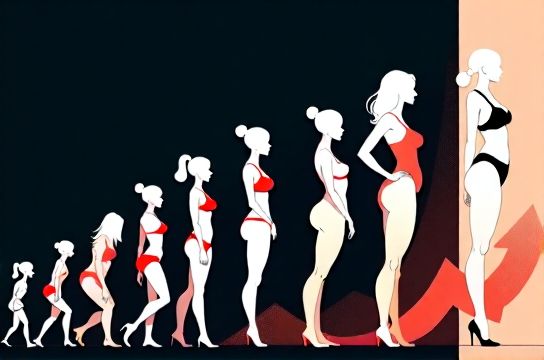
Just two decades ago, functional cotton briefs dominated household drawers. By 2010, international brands like Victoria’s Secret entered with fanfare — yet local adoption lagged. Why? A 2013 McKinsey survey found only 28% of Chinese women aged 25–34 considered ‘fit’ or ‘aesthetic appeal’ top criteria when buying underwear. Fast forward to 2023: that number jumped to 67%, per Kantar’s China Consumer Pulse Report.
What changed? Three catalysts:
1. Rise of domestic DTC brands (e.g., NEIWAI, Ubras) prioritizing comfort + inclusivity; 2. Social media normalization — #LingerieSelfie posts on Xiaohongshu grew 320% YoY in 2022; 3. Body positivity campaigns reframing ‘modesty’ as self-respect, not restraint.
Here’s how preferences evolved across generations:
| Age Group | Top Purchase Driver (2023) | Avg. Annual Spend (RMB) | Digital-First Buyers (%) |
|---|---|---|---|
| 18–24 | Style & social validation | ¥420 | 89% |
| 25–34 | Fit + skin-friendly fabric | ¥680 | 76% |
| 35–44 | Support + longevity | ¥510 | 52% |
Notice the pivot: it’s no longer *what others think* — it’s *how you feel*. That’s empowerment in stitch and seam.
Ubras’ 2022 'No Wire, No Worry' campaign drove a 41% sales lift in Q3 — proof that messaging aligned with lived experience resonates deeper than glamour alone.
Still, challenges remain: 43% of women report difficulty finding accurate sizing online (China E-commerce Association, 2023), and sustainability lags — only 12% of top 10 brands disclose full supply chain data.
The future? Hybrid retail (AR try-ons + neighborhood fitting hubs), size-inclusive tech, and storytelling that centers agency over aesthetics.
If you’re exploring how authenticity reshapes intimate apparel — and how brands can lead with empathy — start by understanding the real people behind the purchase. Because true fit begins long before the first strap is adjusted.
For deeper insights into consumer-led brand evolution, explore our foundational framework on human-centered design in emerging markets.