How Urban Living Shapes Intimate Fashion
- 时间:
- 浏览:170
- 来源:CN Lingerie Hub
In the heartbeat of every city lies a quiet revolution—fashion, yes, but not just any fashion. We're talking about intimate apparel. From Tokyo to New York, urban living is reshaping what we wear under our clothes, blending comfort, style, and identity like never before.
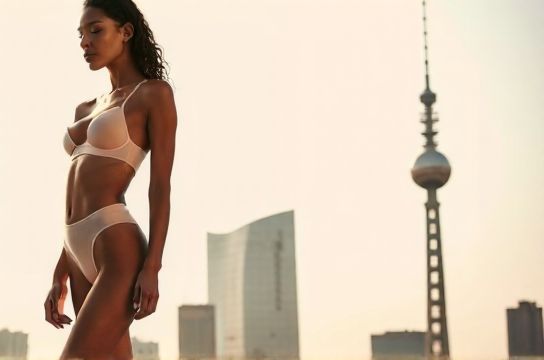
City life moves fast. Commutes are long, workspaces are tight, and personal space? Rare. So it’s no surprise that underwear and loungewear have evolved into functional art. Gone are the days when bras were only about support or briefs about coverage. Today’s urban dwellers demand more: breathability, sustainability, inclusivity, and bold self-expression.
Take a look at the data:
| City | Preferred Fabric (2023) | Top Style | Avg. Spend/Month (USD) |
|---|---|---|---|
| New York | Organic Cotton | Wireless Bra | $42 |
| London | TENCEL™ | Bralette | $38 |
| Tokyo | Microfiber | Seamless Set | $50 |
| Berlin | Recycled Nylon | Genderless Briefs | $35 |
Why does this matter? Because fabric choices reflect lifestyle needs. In crowded subways and air-conditioned offices, breathability wins. That’s why organic cotton and TENCEL™ dominate in Western cities. Meanwhile, Tokyo’s love for sleek, invisible silhouettes under fitted clothing keeps microfiber king.
But it’s not just materials. Urban fashion thrives on inclusivity. Brands like Parade, Knix, and Undresscode now offer sizes from XXS to 3XL and gender-neutral lines. In Berlin, over 60% of young adults prefer unisex lingerie—a response to progressive social values and minimalist aesthetics.
And let’s talk tech. Smart fabrics are creeping into intimate wear. Heating elements in bras for winter commutes? Check. Moisture-wicking liners for sweaty subway rides? Double check. Startups in Seoul and San Francisco are testing biometric sensors woven into underwear to track stress and sleep—because in the city, even your undies need to multitask.
The rise of remote work hasn’t slowed this trend—it’s accelerated it. With Zoom calls from home, people want comfort and confidence. A stylish bralette under a blazer? Perfect. Seamless boy shorts with joggers? Even better.
So what’s next? Expect more eco-conscious innovation. Bamboo blends, plant-based dyes, and circular fashion models are gaining ground. In fact, by 2026, analysts predict that 45% of intimate apparel in major cities will be made from sustainable materials.
Urban living isn’t just shaping skylines—it’s redefining what we wear next to our skin. And honestly? It’s about time.