Social Changes and the Evolution of Lingerie Use
- 时间:
- 浏览:189
- 来源:CN Lingerie Hub
Once tucked away in drawers and whispered about in hushed tones, lingerie has undergone a dramatic transformation — not just in design, but in cultural meaning. From corsets that shaped women's bodies (and lives) in the 1800s to today’s body-positive bralettes, lingerie tells the story of shifting social norms, gender roles, and personal freedom.
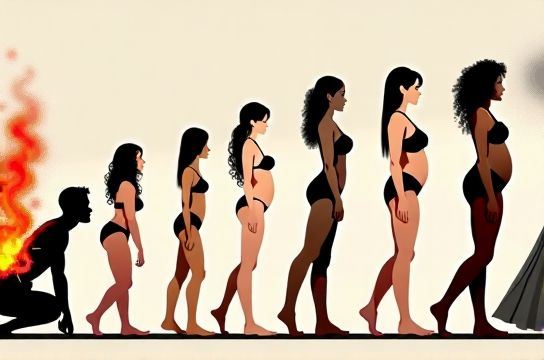
The evolution of lingerie mirrors society’s changing attitudes toward femininity, sexuality, and autonomy. In the Victorian era, tightly-laced corsets were more than fashion—they symbolized control, modesty, and class status. Women endured restricted breathing and organ displacement just to meet beauty standards. Fast forward to the 1920s flapper revolution: corsets gave way to looser silhouettes as women demanded independence, voting rights, and the freedom to dance the Charleston unencumbered.
The mid-20th century brought nylon and mass production. With WWII-era fabric rationing, innovations like elasticated fabrics emerged, paving the way for modern bras. By the 1960s and 70s, second-wave feminism challenged the idea that women should wear uncomfortable undergarments to please the male gaze. The iconic 1968 Miss America protest, where activists threw girdles and bras into a 'freedom trash can,' became a symbolic rejection of oppressive beauty norms.
Yet, paradoxically, lingerie also became a tool of empowerment. The 1990s Victoria's Secret era glamorized seduction and confidence, turning lingerie into mainstream fashion. But it was often exclusionary—focused on a narrow ideal of beauty. Now, in the 2020s, we're seeing a seismic shift: inclusivity, comfort, and self-expression reign supreme.
Brands like Savage X Fenty, Parade, and Knix are leading the charge with extended size ranges, gender-neutral lines, and real-body campaigns. Social media has amplified diverse voices, making room for all bodies, genders, and identities to claim their space in the lingerie world.
Lingerie Through the Decades: A Snapshot
| Era | Key Garment | Social Context | Cultural Meaning |
|---|---|---|---|
| 1890s | Corset | Victorian morality, rigid gender roles | Control, femininity, class distinction |
| 1920s | Flattened bust bodysuits | Women’s suffrage, jazz age liberation | Freedom, rebellion, modernity |
| 1950s | Bullet bras, girdles | Post-war domestic ideals | Sexuality contained, idealized femininity |
| 1990s | Push-up bras, thongs | Mainstream glamour, consumer culture | Confidence, allure, commercialized sex appeal |
| 2020s | Bralettes, gender-neutral sets | Body positivity, inclusivity movements | Self-love, comfort, identity expression |
Today, wearing lingerie isn’t about who’s watching—it’s about how you feel in your skin. Whether it’s a soft cotton bralette or a bold red corset, the choice is personal, political, and powerful.
The future of lingerie? It’s fluid, inclusive, and unapologetically real. As long as society keeps evolving, so will what we choose to wear underneath it all.