The Role of Lingerie in Chinese Relationship Dynamics
- 时间:
- 浏览:150
- 来源:CN Lingerie Hub
In modern China, lingerie is no longer just about aesthetics—it’s a quiet revolution shaping intimacy, confidence, and relationship dynamics. Once considered taboo, the rise of personal expression and female empowerment has turned intimate wear into a symbol of emotional connection and self-identity within romantic relationships.
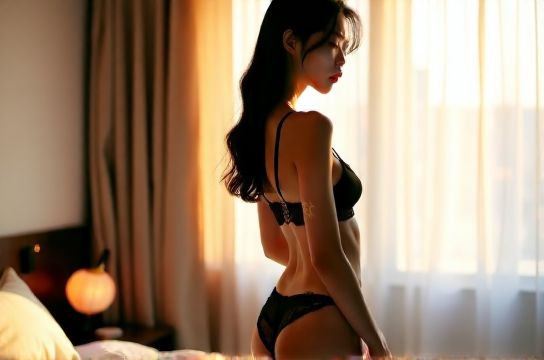
The Cultural Shift: From Modesty to Self-Expression
Just a decade ago, traditional values dominated Chinese attitudes toward sexuality and body image. Lingerie was functional—often plain white cotton—meant to be hidden, not celebrated. But with rising urbanization, global fashion influence, and digital commerce, especially through platforms like Taobao and Xiaohongshu (Little Red Book), lingerie has become a personal statement.
A 2023 survey by iiMedia Research revealed that over 68% of Chinese women aged 18–35 now purchase lingerie for themselves, not partners. This shift reflects growing financial independence and body positivity—a move from "pleasing him" to "feeling good for me."
Lingerie as Emotional Currency in Relationships
In deeper relational contexts, lingerie plays a subtle but powerful role. It's not just about seduction; it's about emotional vulnerability and mutual appreciation. Couples who openly discuss intimacy often use lingerie as a bridge to enhance trust and communication.
Brands like NEIWAI (内外), meaning "inner and outer," have capitalized on this trend by promoting slogans like "Love Myself First"—aligning lingerie with self-love rather than sexual expectation. Their 2022 campaign featuring real couples discussing emotional intimacy went viral, reinforcing the idea that comfort and desire coexist.
Market Growth & Consumer Trends
China’s lingerie market is booming. Valued at $15.2 billion in 2023, it’s projected to reach $22.7 billion by 2027 (Statista). What’s driving this? Not just sales—but changing mindsets.
| Year | Market Size (USD Billion) | Self-Purchase Rate (Women 18–35) | Top Platforms |
|---|---|---|---|
| 2020 | 12.1 | 54% | Taobao, JD.com |
| 2022 | 14.3 | 63% | Taobao, Xiaohongshu, Pinduoduo |
| 2023 | 15.2 | 68% | Xiaohongshu, Douyin, Tmall |
| 2027 (proj.) | 22.7 | 75% (est.) | Douyin Live, Private Memberships |
As seen above, social commerce—especially via livestreams on Douyin (TikTok’s Chinese counterpart)—has transformed how lingerie is marketed. Influencers host private try-on sessions, discuss fit and fabric, and normalize conversations around body types and pleasure.
Challenges & The Road Ahead
Despite progress, stigma persists in conservative circles. Many still associate lingerie with impropriety, and open discussions about sexuality remain limited in mainstream media. Yet, younger generations are redefining norms—one lace bralette at a time.
The future lies in inclusivity: more sizes, gender-neutral lines (NEIWAI launched unisex loungewear in 2023), and education around body autonomy. As intimacy becomes less taboo, lingerie will continue evolving from closeted secret to a celebrated part of relationship wellness.
Final Thoughts
Lingerie in China is more than fabric—it’s freedom, dialogue, and emotional depth. Whether worn for a partner or oneself, it symbolizes a cultural awakening: that love, desire, and self-respect are not mutually exclusive, but deeply intertwined.