Young China Redefining Intimacy Through Fashion
- 时间:
- 浏览:206
- 来源:CN Lingerie Hub
In today’s fast-evolving urban China, fashion is no longer just about looking good—it's a language. For Gen Z and young millennials, what they wear whispers (or sometimes shouts) their values, identities, and emotional boundaries. From gender-fluid streetwear in Shanghai to intimate, body-positive lingerie campaigns in Chengdu, Chinese youth are redefining intimacy—not through words, but through stitches, silhouettes, and bold self-expression.
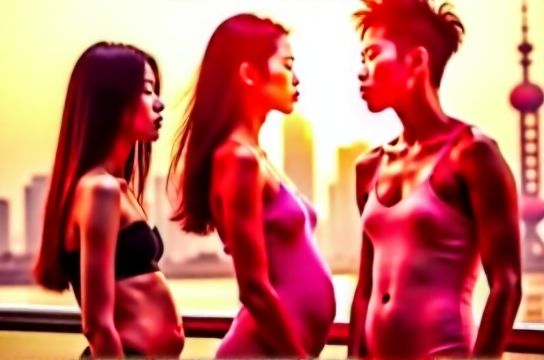
Forget the old-school idea that modesty equals virtue. A recent 2023 survey by McKinsey & Company found that 68% of Chinese consumers aged 18–30 consider personal identity expression as a top factor when choosing clothing—more than brand prestige or price. This shift isn’t just cultural; it’s revolutionary.
Fashion as Emotional Armor
For many young Chinese, dressing is an act of reclaiming autonomy. Growing up in a society where emotions were often suppressed, today’s youth use fashion to explore vulnerability, desire, and connection. Take the rise of 'soft boy' aesthetics on Xiaohongshu (China’s answer to Instagram): think oversized knits, pastel tones, and delicate embroidery. It’s not just cute—it’s a quiet rebellion against traditional masculinity.
Lingerie brands like NEIWAI (内外) have tapped into this shift masterfully. Their slogan? “I touch myself”—a bold statement promoting self-love and body acceptance. In 2022, NEIWAI reported a 45% year-on-year revenue increase, with over 70% of customers under 30.
The Data Behind the Trend
Let’s break it down. The table below shows how intimacy-driven fashion segments are growing in China:
| Fashion Segment | YoY Growth (2022-2023) | Primary Age Group | Key Brand Example |
|---|---|---|---|
| Gender-Neutral Apparel | 39% | 18–28 | SHUSHU/TONG |
| Body-Positive Lingerie | 42% | 20–30 | NEIWAI |
| Emotional Streetwear | 35% | 16–25 | BEAMO |
| Sustainable Intimates | 50% | 22–32 | Undress |
Cultural Code-Switching: East Meets Inner Self
What makes this movement uniquely Chinese? It’s the blend of collectivist heritage with individual awakening. Young people aren’t rejecting tradition—they’re remixing it. Hanfu-inspired loungewear, for example, merges ancient silhouettes with modern fabrics, turning private garments into statements of cultural pride and personal comfort.
Social media fuels this evolution. On Douyin, hashtags like #MyBodyMyRules (我的身体我做主) have racked up over 2.1 billion views. Influencers share unfiltered dressing-room videos, normalizing diverse body types and intimate apparel as everyday wear.
The Future is Felt, Not Seen
As physical and digital identities blur, fashion becomes tactile therapy. Brands are responding: sensor-embedded clothes that change color with mood, or underwear made from bamboo fiber that ‘breathes’ with your skin. It’s not sci-fi—it’s the next intimacy frontier.
In the end, young China isn’t just following trends. They’re stitching together a new emotional fabric—one where fashion isn’t worn to impress, but to connect: with oneself, with others, and with a rapidly changing world.