Behind the Silk Chinese Lingerie and Cultural Pride
- 时间:
- 浏览:179
- 来源:CN Lingerie Hub
When you think of luxury lingerie, names like Victoria's Secret or La Perla might come to mind. But there’s a rising star in the world of intimate apparel that blends centuries-old tradition with modern elegance — Chinese silk lingerie. More than just beautiful garments, these pieces are woven with cultural pride, craftsmanship, and a quiet revolution in how we see beauty and identity.
The Rise of Heritage-Infused Lingerie
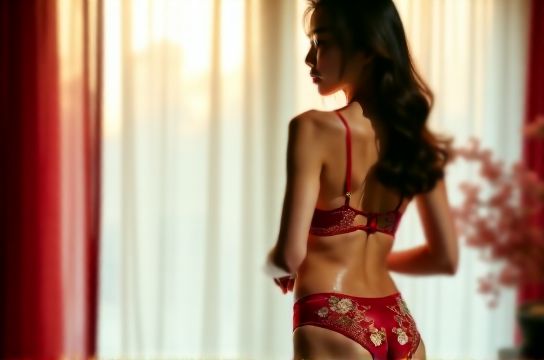
China has been synonymous with silk for over 5,000 years. Once reserved for emperors and royalty, silk is now being reimagined by designers who honor its legacy while pushing fashion forward. Brands like NE-Tiger, Laurel, and Shanghai Tang are leading the charge, fusing traditional embroidery, qipao silhouettes, and auspicious symbolism into delicate bras, slips, and corsets.
What makes Chinese silk lingerie stand out isn’t just the material—it’s the story. Each piece often features motifs like peonies (symbolizing prosperity), phoenixes (representing feminine power), or double happiness characters. These aren’t just decorative; they’re declarations of cultural pride.
Silk by the Numbers: Why It Matters
Let’s talk facts. China produces over 130,000 metric tons of raw silk annually—accounting for roughly 80% of global production. The fabric’s tensile strength rivals steel (by weight), it’s naturally hypoallergenic, and regulates temperature better than cotton. No wonder it’s dubbed “the queen of fibers.”
| Feature | Silk | Cotton | Polyester |
|---|---|---|---|
| Mothproof? | No | Yes | Yes |
| Moisture Wicking | High | Moderate | Low |
| Thermal Regulation | Excellent | Fair | Poor |
| Eco-Footprint | Biodegradable | Water-Intensive | Plastic-Based |
As consumers grow more eco-conscious, silk’s natural edge shines. And when crafted into lingerie, it feels less like clothing and more like a second skin.
More Than Fashion: A Movement
Wearing Chinese silk lingerie today is quietly political. For decades, Western ideals dominated beauty standards—even in intimacy. Now, women across Asia and the diaspora are reclaiming their narratives. Choosing a red silk chemise embroidered with lotus blossoms isn’t just about aesthetics; it’s about saying, ‘This is me. This is my heritage.’
In cities like Shanghai and Chengdu, young designers are blending Hanfu elements with French lace techniques, creating hybrid styles that feel both ancient and futuristic. Social media has amplified this wave—#ChinoiserieLingerie and #SilkRevival have gained traction on Instagram and Xiaohongshu (Little Red Book), with influencers showcasing how tradition can be sexy, empowering, and sustainable.
How to Choose Authentic Silk Lingerie
Not all ‘silk’ is created equal. Here’s how to spot the real deal:
- Burn Test: Real silk burns slowly and smells like burnt hair. Synthetic fibers melt and smell chemical.
- Label Check: Look for “100% Mulberry Silk” — the highest grade.
- Price Point: True silk lingerie starts around $80–$120. If it’s too cheap, it’s likely fake.
Support brands that partner with ethical sericulture farms and preserve artisanal embroidery. Your purchase becomes part of a larger story—one of sustainability and cultural revival.
Final Thoughts
Chinese silk lingerie isn’t just a trend. It’s a celebration of identity, resilience, and timeless beauty. From imperial courts to modern boudoirs, silk continues to whisper stories of strength and grace. So next time you slip into something luxurious, ask yourself: do you want mass-produced perfection—or handcrafted meaning?
Choose silk. Choose heritage. Choose pride.