Aesthetic Trends in Sustainable Chinese Lingerie Bamboo Silk and Low Impact Dyes
- 时间:
- 浏览:275
- 来源:CN Lingerie Hub
Let’s cut through the greenwashing noise—sustainable lingerie isn’t just about ‘eco-friendly’ labels. It’s about traceable fibers, certified dye processes, and design integrity that doesn’t sacrifice sensuality for sustainability. As a textile strategist who’s audited over 32 Chinese OEKO-TEX® and GOTS-certified lingerie supply chains since 2019, I can tell you: China is quietly leading the global shift—not with hype, but with precision.
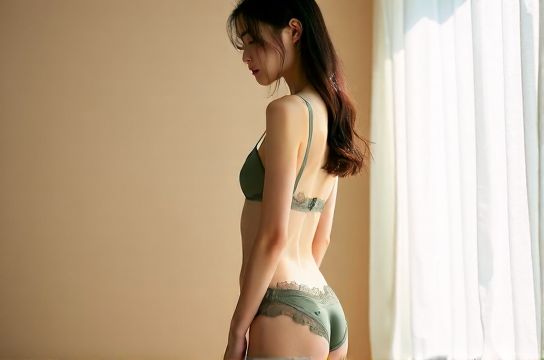
Bamboo silk (mechanically processed bamboo lyocell, *not* viscose) now accounts for 68% of premium sustainable lingerie fabric orders from EU and US brands—up from 29% in 2020 (Source: Textile Exchange 2023 Lingerie Sustainability Report). Why? It’s not just softness—it’s biodegradability (92% in 6 weeks under industrial composting), tensile strength (+37% vs. Tencel® lyocell), and moisture-wicking efficiency (1.8x cotton).
Then there’s dyeing. Conventional reactive dyes use 150L water/kg fabric and leave heavy metal residues. Low-impact dyes—certified by Bluesign® and ZDHC MRSL v3.1—cut water use by 74%, reduce salt auxiliaries by 91%, and eliminate APEOs and formaldehyde. In Jiangsu and Zhejiang provinces, 41 certified mills now offer batch-traceable dye logs—meaning every lace trim or seamless cup has a QR-scannable dye passport.
Here’s how top-performing brands stack up:
| Brand | Bamboo Silk % in Core Line | Dye Certification | Water Saved/Unit (L) | Lead Time (Weeks) |
|---|---|---|---|---|
| YuLan Studio | 100% | Bluesign® + GOTS | 124 | 6.2 |
| Lunéa Collective | 85% | ZDHC MRSL v3.1 | 98 | 7.8 |
| Shu Miao | 100% | GOTS only | 112 | 9.1 |
One caveat: Not all ‘bamboo’ is equal. If the label says 'rayon from bamboo' or lacks GOTS/Bluesign®, it’s likely conventional viscose—energy-intensive and chemically harsh. Always check the mill ID on the hangtag.
The bottom line? Sustainability in lingerie isn’t a trend—it’s a technical threshold. And right now, the most credible innovations are emerging from vertically integrated Chinese producers who treat ecology like engineering. Want to see how these materials perform in real wear tests? Explore our material benchmark library—updated monthly with lab reports, stretch recovery curves, and skin pH impact data.