Social Changes Influencing Chinese Lingerie Preferences
- 时间:
- 浏览:217
- 来源:CN Lingerie Hub
In recent years, the Chinese lingerie market has undergone a quiet revolution — one stitched not just with silk and lace, but with shifting social values, rising feminism, body positivity, and digital empowerment. Gone are the days when lingerie was purely functional or hidden beneath layers of modesty. Today, it’s a statement, a form of self-expression, and increasingly, a symbol of personal liberation.
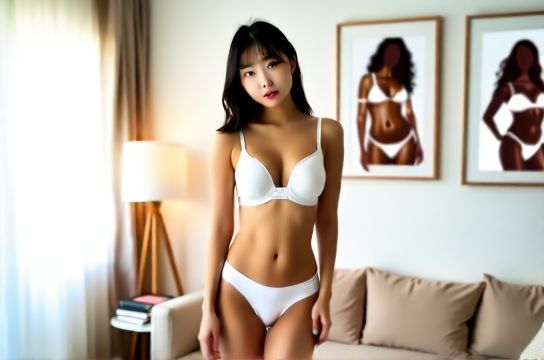
The Rise of Self-Expression Over Tradition
Traditionally, Chinese culture emphasized modesty and practicality, especially when it came to undergarments. Lingerie was often white, plain, and strictly utilitarian. But as urbanization accelerates and global influences seep in through social media, younger generations—especially Millennials and Gen Z—are redefining what intimacy and femininity mean.
A 2023 survey by McKinsey & Company found that over 68% of Chinese women aged 18–35 now prioritize comfort and personal style over societal expectations when choosing lingerie. This marks a dramatic shift from just a decade ago, when family opinions or cultural norms heavily influenced purchasing decisions.
Feminism and Body Positivity Take Center Stage
The growth of feminist discourse on platforms like Xiaohongshu (Little Red Book) and Weibo has empowered women to embrace their bodies—flaws and all. Hashtags like #MyBodyMyChoice and #NoMoreInvisibleSeams have gone viral, challenging beauty standards and promoting inclusivity.
Brands have responded. Domestic players like NEIWAI (内外) and Ubras have led the charge with campaigns featuring unretouched models, diverse body types, and gender-neutral messaging. NEIWAI’s 2022 campaign “I Wear What I Want” resonated deeply, boosting sales by 42% year-on-year.
| Year | China Lingerie Market Size (USD Billion) | YoY Growth | Key Consumer Trend |
|---|---|---|---|
| 2020 | 18.5 | 6.2% | Comfort-driven designs |
| 2021 | 19.8 | 7.0% | Rise of seamless wear |
| 2022 | 21.3 | 7.6% | Body positivity focus |
| 2023 | 23.1 | 8.4% | Gender-inclusive marketing |
Digital Influence and E-Commerce Boom
Tmall and JD.com report that lingerie sales during Singles’ Day 2023 surged by 31% compared to 2022, with Ubras and NEIWAI ranking among the top three bestsellers. Livestream selling, led by influencers like Viya and Li Jiaqi, has made intimate apparel more accessible—and less taboo.
Moreover, AI-powered fit tools and virtual try-ons are reducing purchase anxiety, especially for first-time buyers. A 2023 study by Statista showed that 57% of online lingerie shoppers in China used size recommendation tools before buying—a testament to how tech is bridging the gap between privacy and confidence.
From Taboo to Empowerment
Lingerie in China is no longer whispered about—it’s being celebrated. Women are buying for themselves, not for partners or societal approval. As one Shanghai-based buyer put it: “I don’t wear a bra to please anyone else. I wear it because it makes me feel strong.”
This mindset shift is reflected in product design too. Wire-free bras, organic cotton materials, and gender-fluid lines are gaining traction. Even luxury brands like Victoria’s Secret have had to adapt, toning down their ‘angel’ image in favor of realness and relatability in the Chinese market.
Conclusion: A New Era of Intimacy
Social change doesn’t always come with protests or manifestos. Sometimes, it slips in quietly—through the soft fabric of a wireless bra. In China, lingerie preferences are evolving because women are evolving: more confident, more informed, and more in control. The future of lingerie isn’t just about what’s worn underneath—it’s about what lies within: autonomy, identity, and pride.