Chinese Lingerie Culture and Female Empowerment Today
- 时间:
- 浏览:141
- 来源:CN Lingerie Hub
In recent years, the evolution of Chinese lingerie culture has become a quiet revolution—one stitched with silk, confidence, and self-expression. Gone are the days when underwear was purely functional or hidden beneath layers of modesty. Today, it's a bold statement of identity, body positivity, and female empowerment.
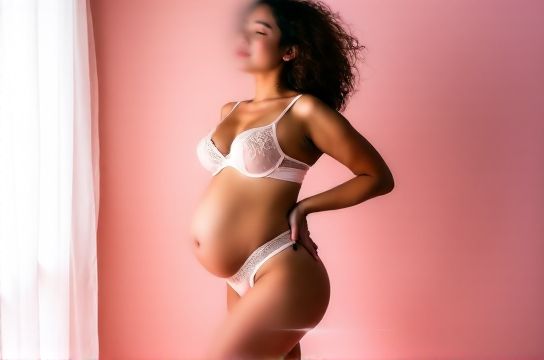
China’s lingerie market is booming. According to Statista, the revenue in this sector reached over $10 billion USD in 2023, with an annual growth rate of nearly 8.5%. But beyond numbers, what’s truly fascinating is the cultural shift behind the seams.
Traditionally, Chinese women favored conservative, flesh-toned bras—often prioritizing practicality over aesthetics. But younger generations, especially Millennials and Gen Z, are rewriting the rules. They’re embracing lace, bold colors, and designs that celebrate individuality. Brands like NEIWAI (内外) and Ubras have led the charge, promoting slogans like “Real Me” and “Wear Nothing, Feel Everything” to champion comfort and authenticity.
What makes this movement powerful is its alignment with female empowerment. More women are rejecting the male gaze and choosing lingerie for themselves—not for partners, but for how it makes they feel. A 2022 survey by NEIWAI found that 76% of Chinese women now buy lingerie based on personal comfort rather than appearance or societal expectations.
The Rise of Body-Positive Lingerie Brands
Homegrown brands are disrupting the industry by focusing on inclusivity. Ubras eliminated underwire bras entirely, introducing seamless, wire-free styles that cater to natural body shapes. NEIWAI launched campaigns featuring real women of all sizes, ages, and skin tones—no retouching, no filters.
Here’s a snapshot of key players shaping the new era:
| Brand | Founded | Key Innovation | Market Reach (2023) |
|---|---|---|---|
| NEIWAI | 2012 | Body-positive campaigns, cotton-first designs | $400M+ annual revenue |
| Ubras | 2016 | Wire-free innovation, minimalist aesthetic | #1 bestseller on Tmall Double 11 |
| Aimer | 1996 | Luxury fit, wide size range | Over 4,000 stores nationwide |
This isn’t just fashion—it’s feminism woven into fabric. Social media plays a huge role too. On Xiaohongshu (Little Red Book), hashtags like #MyBodyMyChoice and #LingerieForMe have millions of views, with users sharing unfiltered photos and stories about overcoming body shame.
Yet challenges remain. In smaller cities and rural areas, traditional attitudes linger. Some still see revealing lingerie as 'immodest.' But change is coming—from the inside out.
Ultimately, Chinese lingerie culture today reflects a deeper narrative: women reclaiming autonomy, one bra at a time. It’s not about seduction; it’s about self-love, comfort, and saying, 'I exist for me.'