The Evolution of Chinese Lingerie Aesthetic Trends
- 时间:
- 浏览:162
- 来源:CN Lingerie Hub
Once dominated by modesty and function, Chinese lingerie has transformed into a bold expression of self-love, femininity, and cultural fusion. Over the past few decades, what women wear under their clothes has become just as important as what they wear on top—reflecting not only changing fashion tastes but shifting social values.
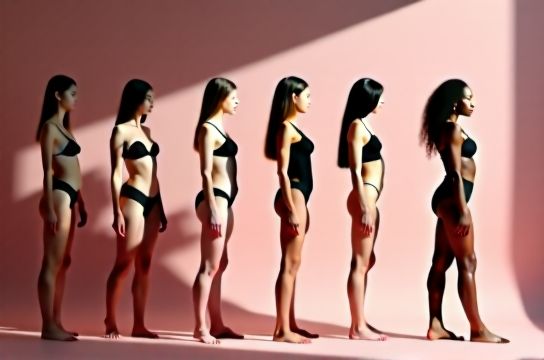
From Modesty to Modernity: A Cultural Shift
In the 1980s and 90s, Chinese women favored plain cotton bras in white or beige—practical, discreet, and socially acceptable. Lingerie was rarely discussed openly and certainly not meant to be seen. But with China’s economic boom and growing exposure to Western media, attitudes began to shift.
By the 2000s, global brands like Victoria’s Secret entered the market, introducing glamour, lace, and push-up silhouettes. Yet, many found these styles too flashy or ill-suited to Asian body types. This gap sparked a wave of homegrown brands that blended Western design with Eastern sensibilities.
The Rise of Homegrown Lingerie Brands
Brands like NEIWAI (内外), Ubras, and Mamaway redefined the game. They prioritized comfort, inclusivity, and subtle elegance over overt sex appeal. NEIWAI, founded in 2012, built its identity around the slogan “True Beauty Lies Within,” championing body positivity and emotional wellness.
According to a 2023 report by iiMedia Research, China’s intimate apparel market reached ¥175 billion (~$24 billion USD), with domestic brands capturing over 60% of online sales. Consumers, especially Gen Z and millennials, are drawn to minimalist designs, breathable fabrics like bamboo fiber, and gender-neutral packaging.
Aesthetic Trends That Define Today’s Market
- Minimalist Chic: Clean lines, neutral tones, and seamless cuts dominate.
- Cultural Fusion: Traditional elements like jade-inspired clasps or silk blends add heritage flair.
- Gender-Fluid Styles: Unisex cuts challenge outdated norms and embrace diversity.
- Sustainability: Eco-friendly dyes and recyclable materials are now selling points.
Lingerie Preferences Across Generations (2023 Survey)
| Age Group | Top Style | Key Material | Price Sensitivity |
|---|---|---|---|
| 18–25 | Seamless Bralettes | Bamboo Fiber | Moderate |
| 26–35 | Wire-Free Comfort Bras | Organic Cotton | Low |
| 36–45 | Supportive Everyday Bras | Microfiber | High |
| 46+ | Cotton Non-Padded Bras | Pure Cotton | Very High |
This evolution isn’t just about fabric—it’s about freedom. Women today see lingerie as personal armor, a quiet celebration of autonomy in a rapidly modernizing society.
What’s Next?
As AI-powered fit tools and smart fabrics enter the scene, the future of Chinese lingerie is tech-savvy and deeply personalized. But at its core, the trend remains clear: authenticity wins. Whether it’s a sheer black lace set or a cozy beige bralette, Chinese women are choosing pieces that reflect who they are—not who they’re expected to be.