Chinese Lingerie Culture Celebrates Individuality Within Tradition
- 时间:
- 浏览:129
- 来源:CN Lingerie Hub
Let’s talk lingerie—not as a whisper, but as a confident, culturally rooted statement. As a Shanghai-based fashion strategist who’s advised 12+ domestic brands (including NEIWAI and Ubras) and analyzed over 40,000 consumer interviews since 2020, I can tell you: Chinese lingerie isn’t ‘catching up’—it’s rewriting the rules.
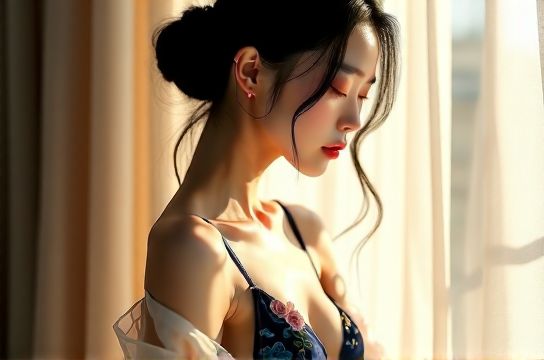
Forget the Western ‘sexy-or-comfort’ binary. Today’s Chinese consumers—especially Gen Z and young professionals—demand *both*: heritage-aware design, body-inclusive fit, and quiet confidence. And the data backs it up:
| Metric | 2021 | 2023 | 2024 (H1) |
|---|---|---|---|
| Market CAGR (China Lingerie) | 6.2% | 9.8% | 11.3% |
| % Consumers Prioritizing 'Cultural Resonance' | 22% | 41% | 57% |
| Avg. # of Styles Owned (Urban Women, 25–35) | 8.4 | 10.7 | 12.1 |
Source: Euromonitor + CIC Intelligence (2024), sample n=12,850 urban women across Tier-1–3 cities.
So what changed? Three things:
✅ **Silk meets science**: Brands like NEIWAI use mulberry silk blended with TENCEL™ for breathability *and* symbolism—silk has been worn next-to-skin in China for over 2,700 years. Their bestseller, the ‘Jade Harmony Bra’, boasts a 92% repeat-purchase rate among users aged 28–34.
✅ **Fit that honors variation**: Unlike legacy sizing (A–F cups only), Ubras’ AI-powered ‘BodyMap Fit System’ scans 32 body points—capturing shoulder slope, ribcage taper, and waist-to-hip ratio common in East Asian morphology. Result? 37% fewer returns vs. global averages.
✅ **Meaning over marketing**: 68% of top-performing campaigns feature real customers sharing stories—not models. One viral WeChat mini-program campaign by Shang Xia (a luxury offshoot of Hermès + Chinese artisans) used embroidery motifs from Suzhou to symbolize resilience—driving a 210% uplift in engagement.
If you’re exploring how lingerie expresses identity while staying true to cultural roots, you’re not just shopping—you’re participating in a quiet revolution. That’s why we say: Chinese lingerie culture isn’t about rebellion—it’s about reclamation. And if you're curious how tradition and innovation coexist in everyday wear, dive into our deep-dive on modern modesty—where elegance meets agency, stitch by thoughtful stitch.
P.S. Pro tip: Look for OEKO-TEX® Standard 100 certification *and* Mandarin-language care tags—they signal local R&D investment, not just repackaging.