Gender Dynamics in Chinese Lingerie Consumption
- 时间:
- 浏览:227
- 来源:CN Lingerie Hub
In recent years, the lingerie market in China has undergone a quiet revolution—not just in design or material, but in who’s buying, who’s influencing, and who’s finally being seen. Gone are the days when lingerie was solely a woman’s private affair. Today, gender dynamics are reshaping how intimate apparel is marketed, consumed, and even designed across the Middle Kingdom.
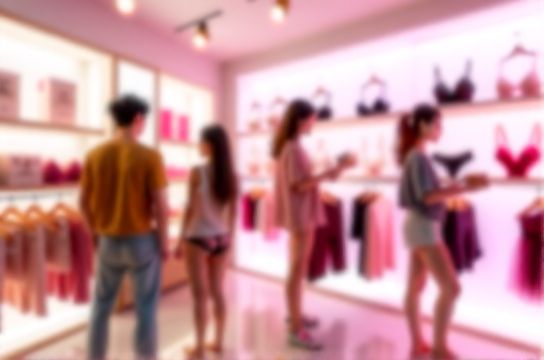
According to Statista, China’s lingerie market hit $28 billion in 2023, with an annual growth rate of nearly 9.5%. But beyond the numbers lies a deeper shift: men are no longer just bystanders. While women still dominate purchases (about 78% of buyers), a surprising 22% of lingerie sales now involve male consumers—either buying for partners or, increasingly, for themselves.
The Rise of the Male Buyer
Yes, you read that right. Men are stepping into fitting rooms—both physically and digitally. Platforms like JD.com report a 40% year-on-year increase in men purchasing lingerie for themselves, especially in the 25–35 age group. Brands like Ubras and NEIWAI (Intimissimi) have noticed this trend and quietly expanded their gender-neutral lines, focusing on comfort over traditional femininity.
This isn’t just about fashion—it’s about identity. As LGBTQ+ visibility grows in urban centers like Shanghai and Beijing, so does demand for inclusive intimate wear. A 2023 survey by TalkingData found that 15% of young Chinese consumers identify as gender-fluid or non-binary, and 68% expect brands to offer gender-inclusive options.
Women Still Lead—But on Their Own Terms
Women remain the powerhouse of lingerie consumption, but their preferences are evolving. The old notion of lace = sexy is fading. Instead, comfort-driven designs like bralettes and wireless sets now make up 65% of all women’s purchases. Ubras, known for its “no-wire” bras, saw revenue jump by 120% in 2022 alone.
Social media plays a huge role. On Xiaohongshu (China’s answer to Instagram), hashtags like #MyBodyMyRules and #ComfortOverCouture have millions of views. Female consumers aren’t just buying lingerie—they’re curating self-expression.
Who Influences Whom?
Here’s where it gets juicy. While women buy more, men are increasingly involved in decision-making—especially in gift-giving. Around 30% of women said their partners influenced their last lingerie purchase, often through gifting during festivals like Valentine’s Day or Qixi Festival.
Yet, irony alert: most men still feel awkward shopping for lingerie. A Baidu ZhiDao poll revealed that 64% of men prefer online shopping to avoid in-store embarrassment. That’s great news for e-commerce giants like Alibaba, where lingerie sales spike by 50% during holiday seasons.
Market Breakdown: Who’s Buying What?
| Consumer Group | Market Share | Preferred Style | Avg. Spend (RMB) |
|---|---|---|---|
| Women (self-purchase) | 78% | Comfort bralettes, gender-neutral cuts | 220 |
| Men (gifts for partners) | 15% | Lace sets, red/black themes | 380 |
| Men (self-use) | 5% | Minimalist, breathable fabrics | 190 |
| Non-binary/Other | 2% | Unisex, size-inclusive designs | 250 |
The data speaks volumes: personal comfort drives female spending, while romance fuels male gifting. Meanwhile, niche segments are punching above their weight in shaping brand innovation.
The Road Ahead
As gender norms continue to blur, Chinese lingerie brands face both challenge and opportunity. The winners? Those who embrace inclusivity without tokenism. NEIWAI’s 2023 campaign featuring queer couples and diverse body types earned them a 40% boost in engagement—proof that authenticity sells.
In short, lingerie in China is no longer just about what’s underneath—it’s about identity, agency, and changing social tides. Whether you’re buying for love, lust, or liberation, one thing’s clear: the future of lingerie is fluid.