Cultural Confidence in Chinese Lingerie Innovation
- 时间:
- 浏览:181
- 来源:CN Lingerie Hub
In recent years, the Chinese lingerie market has undergone a quiet revolution — one stitched with silk, embroidered with tradition, and shaped by cultural confidence. No longer just a copycat of French lace or American push-up bras, homegrown brands are redefining intimacy wear by blending ancient aesthetics with modern comfort. This isn’t just fashion evolution; it’s a statement of identity.
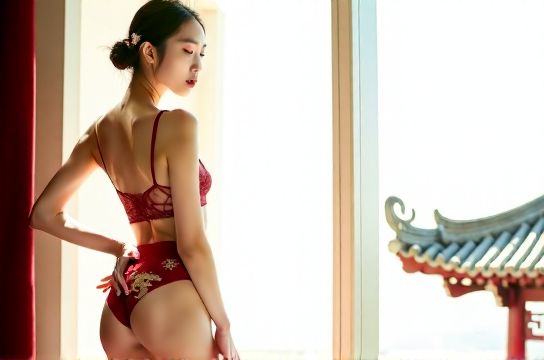
Take NeiWai (内外), for example. What started as a minimalist brand promoting body positivity has now become a symbol of China’s soft power in intimate apparel. In 2023, NeiWai reported over ¥1.2 billion in annual revenue, with a year-on-year growth of 35%. More impressively, 68% of its customers are women aged 25–40 who value both comfort and cultural resonance.
But it’s not just about business numbers. The real story lies in design philosophy. Brands like NE-Tiger and Miss Mary are incorporating yunjin brocade patterns, mandarin knots, and even elements from Dunhuang murals into their collections. These aren’t gimmicks — they’re deliberate nods to heritage, transforming underwear into wearable art.
Let’s break down how this fusion works:
Top Chinese Lingerie Innovators & Their Cultural Signatures
| Brand | Cultural Element | Material Innovation | 2023 Revenue (Est.) |
|---|---|---|---|
| NeiWai | Taoist yin-yang balance | Bamboo fiber blends | ¥1.2B |
| NE-Tiger | Imperial embroidery | Silk-cashmere fusion | ¥800M |
| Miss Mary | Dunhuang mural motifs | Organic cotton-lace | ¥450M |
| Ubras | Calligraphy-inspired lines | Seamless air-weave | ¥2.1B |
See the pattern? It’s not just about looking good — it’s about feeling connected. A 2024 survey by iResearch found that 74% of urban Chinese women prefer lingerie that reflects 'Chinese elegance' over Western-style designs. That’s a seismic shift from a decade ago, when Victoria’s Secret dominated aspirational imagery.
And let’s talk fit. Western lingerie often assumes a body type that doesn’t match many Asian women. Local brands are responding with data-driven designs. Ubras, for instance, used 3D body scanning across 10 cities to create bras that fit smaller ribcages and higher bust placements — a detail rarely addressed by global giants.
This cultural confidence isn’t isolationist; it’s inclusive. NeiWai’s ‘No Body is Nonsense’ campaign challenged beauty norms, while Miss Mary collaborated with female calligraphers to turn brushstrokes into bra straps. These stories resonate because they’re authentic, not manufactured.
So where’s this headed? With Gen Z embracing guochao (国潮, national trend) culture, the future is bright — and beautifully embroidered. As one Shenzhen-based designer put it: 'We’re not rejecting the West; we’re finally remembering ourselves.'