Femininity and Empowerment in Chinese Lingerie
- 时间:
- 浏览:191
- 来源:CN Lingerie Hub
In recent years, the Chinese lingerie market has undergone a quiet revolution—one that blends delicate femininity with bold female empowerment. No longer just about lace and allure, lingerie in China is becoming a symbol of self-expression, body positivity, and economic independence. From Shanghai to Chengdu, women are redefining what it means to feel beautiful—and it starts from the skin out.
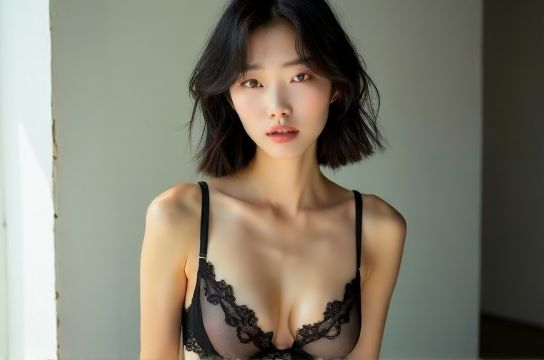
The Rise of Homegrown Lingerie Brands
Gone are the days when Victoria's Secret dominated the conversation. Today, Chinese brands like NEIWAI (内外), Ubras, and Shanghai Pretti are leading the charge with inclusive designs and empowering messaging. NEIWAI, founded in 2012, built its brand on the slogan “Nothing Inside, Everything Matters,” challenging traditional beauty norms and promoting comfort over constriction.
According to iiMedia Research, China’s intimate apparel market reached 185.7 billion RMB ($25.8 billion) in 2023, with domestic brands capturing over 60% of online sales. Consumers are favoring functional, breathable fabrics and size-inclusive lines—especially seamless bras and gender-neutral styles.
Femininity Redefined: Softness as Strength
What makes Chinese lingerie unique is how it merges traditional aesthetics with modern feminism. Soft silhouettes, muted tones like oatmeal and blush pink, and minimalist embroidery reflect a quieter kind of beauty—one that doesn’t scream for attention but radiates confidence.
Take Ubras’ 2023 “No Border, No Size” campaign: real women of all shapes, ages, and skin tones shared their stories wearing only the brand’s stretchable bralettes. The campaign went viral on Xiaohongshu (Little Red Book), racking up over 12 million views in a week. It wasn’t just marketing; it was a cultural moment.
Empowerment Through Design and Choice
Modern Chinese lingerie isn’t about fitting into a mold—it’s about breaking it. Brands are introducing adaptive wear for post-surgery patients, nursing-friendly sets, and even options for non-binary customers. This inclusivity is not just ethical; it’s profitable. A 2023 survey by Alibaba found that 73% of women aged 18–35 prefer brands that promote body diversity.
| Brand | Founded | Key Innovation | Market Share (Online, 2023) |
|---|---|---|---|
| NEIWAI | 2012 | Gender-neutral loungewear | 18% |
| Ubras | 2016 | Seamless one-size-fits-most | 22% |
| Shanghai Pretti | 2009 | Luxury satin & custom fit | 12% |
The Cultural Shift: From Taboo to Talked-About
Just a decade ago, discussing lingerie openly was taboo in many parts of China. Now, it’s a topic of pride and personal agency. Social media platforms like Douyin and Weibo are filled with unboxing videos, fit guides, and honest reviews. Women aren’t just buying lingerie—they’re curating identities.
This shift reflects broader changes in gender dynamics. As more women enter leadership roles and control household spending, they’re demanding products that respect their autonomy. Lingerie is no longer a gift chosen by men; it’s a purchase made by women, for themselves.
Looking Ahead: Comfort, Confidence, and Culture
The future of Chinese lingerie lies in balancing tradition and transformation. With rising eco-consciousness, brands are exploring sustainable bamboo fabric and recyclable packaging. At the same time, digital fashion and AR try-ons are making shopping more personalized than ever.
In the end, this movement isn’t just about what women wear underneath their clothes—it’s about how they stand in the world. Femininity, in this new light, isn’t fragile. It’s fearless. And in China’s lingerie revolution, every stitch tells a story of strength.