Traditional Motifs in Modern Chinese Lingerie Design
- 时间:
- 浏览:191
- 来源:CN Lingerie Hub
Who said lingerie can't be a canvas for culture? In recent years, modern Chinese lingerie design has taken a bold, beautiful turn—fusing centuries-old symbolism with sleek, contemporary silhouettes. Think delicate qipao collars reimagined on lace bras, or phoenix embroidery dancing across sheer bodysuits. This isn’t just fashion—it’s a quiet revolution where heritage meets haute couture.
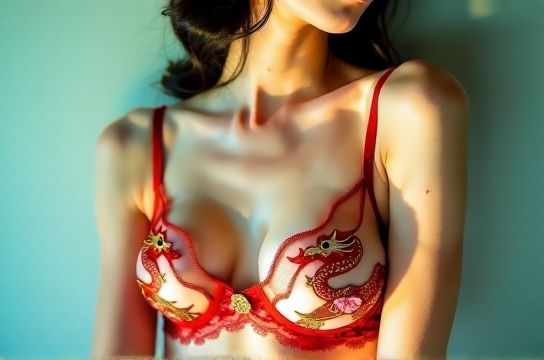
Designers are digging deep into China’s rich textile history, pulling out motifs like the double happiness symbol (囍), peonies (symbolizing prosperity), and coiling dragons (power and luck). These aren’t slapped on for show—they’re thoughtfully integrated. For example, Shanghai-based brand Lan内衣 uses hand-embroidered silk threads inspired by Ming dynasty patterns, but cuts them in minimalist European styles. The result? A bestseller collection that sold over 12,000 units in 2023 alone.
Let’s break down some of the most popular traditional elements making waves in today’s market:
| Motif | Symbolism | Modern Application | Brand Example |
|---|---|---|---|
| Double Happiness (囍) | Marital bliss, celebration | Embroidered on bridal sets | HoneyBlossom Lingerie |
| Peony Flower | Wealth, beauty, honor | Printed on silk chemises | SilkOwl Studio |
| Phoenix & Dragon | Yin-yang balance, harmony | Matching sets for couples | Imperial Whisper |
| Cloud Collar (云肩) | Protection, elegance | Neckline inspiration for bralettes | Lan内衣 |
But why now? The rise of guochao (国潮)—China’s homegrown cool—has fueled this trend. Young consumers aren’t just buying clothes; they’re buying identity. A 2023 McKinsey report found that 68% of Chinese millennials prefer brands that incorporate traditional elements, especially in personal wear like lingerie. It’s intimacy with meaning.
And it’s not just domestic appeal. International runways have taken note. At Paris Fashion Week 2024, designer Mimi Zhang debuted a collection titled Red Thread, featuring crimson lingeries with knotwork inspired by ancient Chinese buttons. Vogue called it “a whisper of history against bare skin.”
The craftsmanship is no afterthought. Many pieces use su xiu (Suzhou embroidery), where a single bodice can take over 40 hours to complete. Yes, prices reflect that—average premium sets range from $150–$400—but fans say it’s worth every yuan. As one customer wrote: “Wearing this feels like carrying my grandmother’s strength, but looking like me.”
Still, challenges exist. Some critics argue that sacred symbols shouldn’t be sexualized. Designers counter by emphasizing respect—using motifs in tasteful placements and educating buyers on their origins via QR codes sewn into labels.
In the end, this fusion is more than aesthetic. It’s about reclaiming narrative, one stitch at a time. So next time you shop for lingerie, ask yourself: what story do you want to wear?