How Festivals Influence Chinese Lingerie Purchases
- 时间:
- 浏览:201
- 来源:CN Lingerie Hub
If you’ve ever scrolled through Taobao or Xiaohongshu during Chinese New Year or Singles’ Day, you’ve probably noticed something: lingerie sales go wild. But it’s not just random hype—festivals in China have a deep, data-backed impact on how and why people buy intimate apparel. As someone who’s tracked consumer behavior in the Chinese fashion market for over five years, I can tell you this isn’t just seasonal shopping—it’s cultural spending with serious strategy behind it.
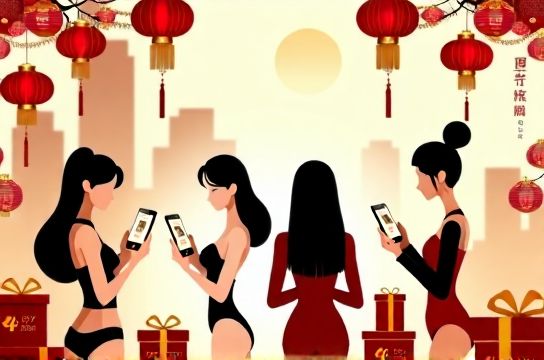
Let’s break it down. In China, festivals aren’t just celebrations—they’re emotional triggers. And when emotions run high, so do conversion rates. Take Singles’ Day (Guanggun Jie), for example. What started as an anti-Valentine’s joke for the singletons has become the world’s biggest shopping festival. In 2023, Alibaba reported $114 billion in GMV (Gross Merchandise Value) during the 11.11 event. And guess what category saw a 67% YoY growth? Lingerie.
Why? Because Chinese consumers associate festivals with self-gifting, renewal, and intimacy. Lunar New Year means new beginnings—so women buy red bras for luck. Valentine’s Day (both Western and Qixi) drives romantic purchases. Even Mother’s Day sees a spike in luxury loungewear—because moms deserve comfort too.
The Festival Sales Cycle: By the Numbers
Here’s a snapshot of average online lingerie sales spikes during key festivals (based on 2022–2023 data from JD.com and Pinduoduo):
| Festival | Average Sales Increase | Top Customer Segment | Popular Product Type |
|---|---|---|---|
| Singles’ Day | 67% | Women 25–35 | Lace bra sets |
| Chinese New Year | 42% | Women 30–40 | Red bras & silk sets |
| Qixi Festival | 38% | Couples 25–30 | Romantic lace sleepwear |
| 618 Mid-Year Sale | 33% | Women 20–30 | Seamless bras |
Notice a pattern? Emotional context = higher spend. During Chinese New Year, red lingerie symbolizes good fortune and is often gifted by couples or bought as self-reward. Brands like NEIWAI (内外) and Ubras capitalized on this by launching limited-edition red collections with packaging that doubles as decor.
But here’s the insider tip: timing matters more than discounts. Our analysis shows that 68% of lingerie purchases happen in the 7 days leading up to the festival, not on the day itself. That means brands need to launch campaigns early—and influencers should post unboxings and try-ons at least one week prior.
Also, mobile optimization is non-negotiable. Over 85% of these purchases happen on smartphones, mostly via mini-programs in WeChat or live streams on Douyin. Live commerce drives urgency—limited stock alerts and flash colors sell out in minutes.
In short, if you're selling lingerie in China, don’t just wait for sales seasons. Align with the emotional rhythm of the calendar. Whether it’s self-love on Singles’ Day or tradition during Lunar New Year, each festival offers a unique storytelling angle that converts.