How Social Changes Shape China Lingerie Market Trends
- 时间:
- 浏览:219
- 来源:CN Lingerie Hub
If you've been watching China's consumer market lately, you’ve probably noticed one sector heating up faster than the rest: lingerie. But this isn’t your grandma’s shapewear. Today’s Chinese women aren’t just buying bras — they’re making bold statements about identity, body positivity, and self-expression. As a lifestyle blogger who’s been tracking fashion trends across Asia for over a decade, I’ve seen firsthand how China lingerie market has evolved from function-first undergarments to a booming $15 billion industry driven by social change.
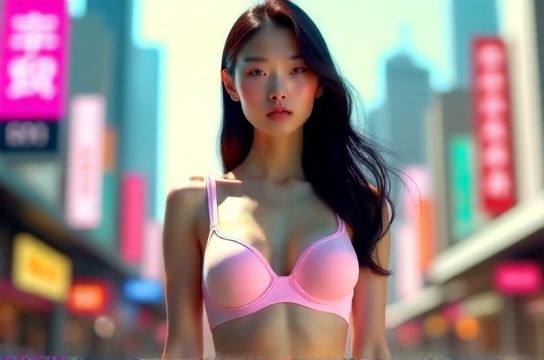
So what’s really behind this shift? Let’s break it down with real data.
The Cultural Shift Fueling Demand
Gone are the days when modesty ruled every clothing choice. Urbanization, rising female income, and digital empowerment have reshaped attitudes. A 2023 McKinsey report found that 68% of Chinese women aged 18–35 now prioritize comfort and personal style over traditional expectations when choosing lingerie.
Social media is a game-changer too. Platforms like Xiaohongshu (Little Red Book) and Douyin (TikTok) are flooded with #LingerieTryOn videos and body-positive influencers. Brands like NEIWAI (内外) and Ubras have capitalized on this, using slogans like “Comfort is the New Sexy” to resonate with modern values.
Market Growth in Numbers
Check out this snapshot of the lingerie market in China over the past five years:
| Year | Market Size (USD Billion) | YoY Growth | Key Driver |
|---|---|---|---|
| 2019 | 9.1 | 8.3% | Western brand expansion |
| 2020 | 10.2 | 12.1% | E-commerce surge |
| 2021 | 12.0 | 17.6% | Rise of domestic brands |
| 2022 | 13.8 | 15.0% | Body positivity trend |
| 2023 | 15.0 | 8.7% | Premiumization & innovation |
Notice how growth spiked in 2021? That’s when Ubras became the top-selling lingerie brand on Tmall during Singles’ Day — without a single wire in sight. Seamless, wireless bras now make up over 40% of online sales, according to Alibaba’s 2023 Fashion Report.
Why Western Brands Are Playing Catch-Up
Victoria’s Secret tried to enter China with its runway glam model — and flopped hard. Why? Because their idea of 'sexy' didn’t match local values. Chinese consumers want inclusivity, not unattainable perfection.
In contrast, NEIWAI launched a campaign featuring real customers of all sizes — no retouching. Sales jumped 60% in six months. That’s the power of cultural relevance.
What’s Next?
Look for more innovation in sustainable fabrics, smart wearables (yes, bras that track posture are coming), and size-inclusive lines. The message is clear: the future of lingerie in China isn’t about looking good for others — it’s about feeling good for yourself.
As someone who’s lived through this transformation, I can tell you — this is more than fashion. It’s freedom, stitched into fabric.