Material Choices and Meaning in Chinese Lingerie Culture
- 时间:
- 浏览:153
- 来源:CN Lingerie Hub
If you've ever shopped for lingerie in China—or even just scrolled through a few Taobao pages—you’ve probably noticed something: the material matters way more than you’d expect. It’s not just about fit or style; it’s about symbolism, comfort, and cultural expectations. As someone who’s spent years analyzing fashion trends across Asia, I can tell you—Chinese lingerie isn’t just underwear. It’s a quiet statement of identity, and the fabric is the voice.
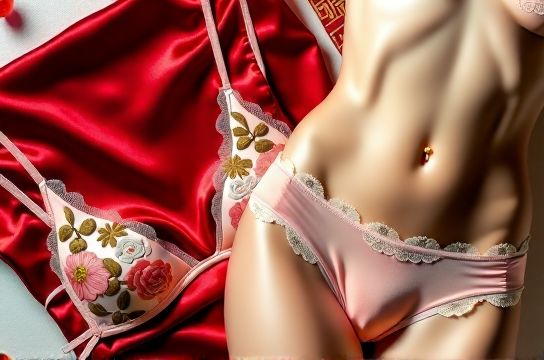
Why Fabric Speaks Volumes in China
In Western markets, lingerie often leans toward bold statements—lace for seduction, satin for luxury. But in China, the choice of material carries deeper layers. Take silk, for example. Traditionally associated with purity and prosperity, it's still a top pick for bridal sets. Meanwhile, breathable cotton dominates daily wear—not just for comfort, but because it signals modesty and practicality.
And then there’s modal and microfiber. These synthetics? They’re blowing up. Why? Because urban professionals want something sleek and sweat-resistant. A 2023 consumer survey by iResearch showed that 68% of women aged 25–35 prioritize "breathability" over "sex appeal" when choosing intimate apparel.
A Breakdown of Popular Materials & Their Cultural Weight
To help you navigate this nuanced world, here’s a quick comparison of common fabrics used in Chinese lingerie culture:
| Material | Popularity (2023) | Cultural Meaning | Best For |
|---|---|---|---|
| Cotton | 72% | Purity, simplicity | Daily wear, teens |
| Silk | 45% | Luxury, tradition | Weddings, gifts |
| Modal | 61% | Modern comfort | Urban professionals |
| Microfiber | 54% | Sleekness, durability | Shapewear, travel |
| Lace | 38% | Romance, femininity | Dates, special occasions |
Notice how cotton leads? That’s no accident. In many Chinese households, especially outside first-tier cities, underwear is still seen as private and functional. Flashy designs are often reserved for specific moments—like anniversaries or honeymoons.
The Rise of Smart Fabrics
But things are changing. Brands like NEIWAI (内外) and Ubras are redefining intimacy with tech-enhanced materials. Think moisture-wicking bamboo blends and seamless memory foam cups. These aren’t just comfortable—they’re marketed as self-care. And that’s key. Modern Chinese consumers aren’t just buying lingerie; they’re buying confidence.
This shift is reflected in sales. NEIWAI reported a 40% year-on-year increase in 2023, largely driven by their “No Wire, No Worry” line made from organic cotton-modal blends. It’s proof that when brands align fabric choices with emotional needs, they win.
What Should You Choose?
If you're exploring options within Chinese lingerie design, start by asking: Who is this for? Daily use? A gift? A personal upgrade? Cotton and modal are safe, culturally resonant bets. For something symbolic, go silk. And if you’re targeting younger, trend-savvy buyers, invest in seamless microfiber—it’s the future.
Bottom line: In China, lingerie isn’t just worn. It’s understood. And the material? That’s the first word in the conversation.