Digital Influence on Chinese Lingerie Purchasing Habits
- 时间:
- 浏览:239
- 来源:CN Lingerie Hub
If you're trying to crack the code on Chinese lingerie market trends, here's a hot take: digital influence isn't just shaping purchases — it's rewriting the entire playbook. As someone who’s been tracking consumer behavior across e-commerce platforms like Taobao, JD.com, and Xiaohongshu for years, I’ve seen how social media, KOLs (Key Opinion Leaders), and live streaming have turned underwear shopping into a full-blown digital experience.
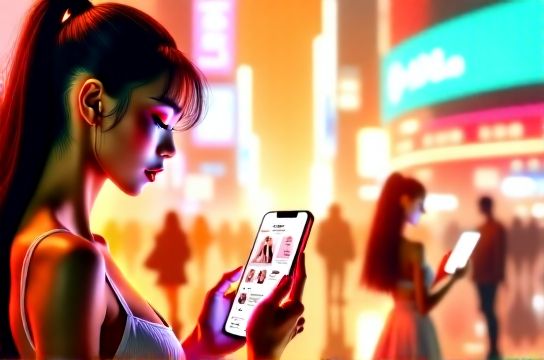
Let’s break it down with real data. In 2023, China’s online lingerie market hit ¥47.8 billion (~$6.6 billion USD), up 14% from the previous year (source: iiMedia Research). Over 78% of women aged 18–35 now discover new lingerie brands through short videos or livestreams — not ads, not billboards, but real-time content.
Why does this matter? Because trust is currency. When a beauty vlogger with 2 million followers unboxes a lace bralette during a 2-hour Taobao Live session, viewers don’t just watch — they buy. Conversion rates during these streams can be as high as 25%, compared to just 3–5% on traditional product pages.
Check out this breakdown of top platforms driving sales:
| Platform | Primary User Age | Lingerie Sales Growth (YoY) | Main Discovery Method |
|---|---|---|---|
| Taobao Live | 25–34 | +32% | Livestream Try-Ons |
| Xiaohongshu | 18–29 | +41% | KOL Reviews |
| JD.com | 28–38 | +12% | Sponsored Listings |
| Douyin | 18–26 | +58% | Short Video Ads |
Notice anything? Platforms built on authenticity — like Xiaohongshu and Douyin — are growing fastest. Why? Young Chinese consumers crave relatable content. A polished ad won’t convince them, but a 60-second clip of a real woman discussing comfort, sizing accuracy, and daily wearability? That sells.
Brands that get this are winning. Take NEIWAI (内外), which grew revenue by 60% in 2023 by focusing on body positivity and user-generated content. Their campaigns feature diverse body types and emphasize emotional connection over sex appeal — a sharp contrast to Western brands still pushing ‘sexy’ as the default narrative.
But beware: one-size-fits-all strategies fail here. Tier-1 cities like Shanghai favor premium comfort-focused brands (e.g., NEIWAI, Ubras), while Tier-3 and -4 cities still respond to price-driven promotions on Pinduoduo. Localization isn’t just geographic — it’s cultural and psychological.
So what’s the takeaway? If you’re entering or scaling in the Chinese lingerie space, your digital presence must be authentic, interactive, and community-driven. Forget pushy ads. Invest in KOL partnerships, prioritize honest reviews, and go live — literally. The future of lingerie shopping isn’t in malls; it’s on mobile screens.