Fashion Meets Identity in Chinese Lingerie Choices
- 时间:
- 浏览:221
- 来源:CN Lingerie Hub
If you're diving into the world of intimate apparel in China, you’re not just buying underwear—you're tapping into a cultural shift. As more Chinese consumers embrace self-expression through fashion, lingerie in China has evolved from a purely functional item to a symbol of identity, confidence, and even rebellion against traditional norms.
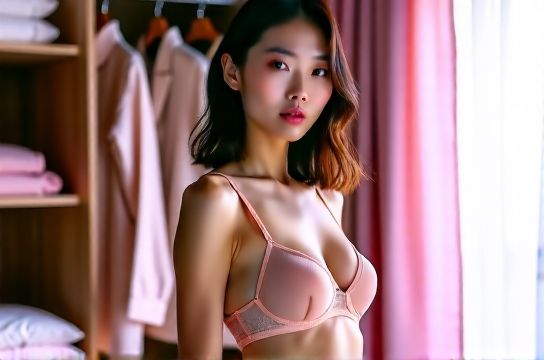
I’ve spent years analyzing consumer behavior across Asia’s biggest fashion markets, and what I’ve seen in China’s lingerie space is nothing short of revolutionary. Forget the days when white cotton bras were the default—today’s shoppers want style, comfort, and a statement. Brands that get this are thriving; those stuck in the past? Not so much.
The Rise of Personal Expression
Chinese women, especially Gen Z and millennials, are redefining what lingerie means. It’s no longer hidden—it’s part of their wardrobe narrative. Think lace bodysuits worn under sheer tops or bold red sets for special occasions. This isn’t just about aesthetics; it’s about ownership of identity.
A 2023 McKinsey report found that 68% of urban Chinese women aged 18–35 view lingerie as a form of self-expression, up from just 39% in 2018. That’s a seismic shift—and brands like NEIWAI (内外) and Ubras are riding the wave by focusing on minimalism, body positivity, and inclusive sizing.
Key Players & Market Trends
Let’s break down the top contenders shaping the Chinese lingerie market:
| Brand | Founded | Key Selling Point | Price Range (RMB) | Market Share (2023) |
|---|---|---|---|---|
| NEIWAI (内外) | 2012 | Gender-neutral design, sustainability | 200–600 | 18% |
| Ubras | 2016 | No-wire comfort, viral marketing | 150–400 | 22% |
| Aimer | 1999 | Traditional luxury, wide retail presence | 300–1,000 | 15% |
| Maniform | 2002 | Youth-focused, trendy styles | 100–300 | 10% |
Notice something? The new guard (NEIWAI, Ubras) wins with emotional branding and digital-first strategies. They speak directly to modern values—comfort without compromise, beauty on your own terms. Meanwhile, legacy brands like Aimer are adapting by launching sub-lines targeting younger audiences.
What Shoppers Really Want
Based on user reviews from Tmall and Xiaohongshu (Little Red Book), here are the top four factors driving purchase decisions:
- Comfort (87% prioritize fabric breathability)
- Design (72% say aesthetics influence choice)
- Fit inclusivity (65% want extended cup sizes)
- Social proof (60% check influencer reviews)
One underrated trend? The rise of genderless loungewear. NEIWAI’s “Gentlewoman” line, marketed to all genders, saw a 40% YOY sales jump in 2023. This isn’t niche anymore—it’s the future.
Final Tips for Navigating the Market
Whether you’re a shopper or a brand eyeing this space, here’s my take:
- Follow the data: Use platforms like Douyin and Xiaohongshu to track real-time trends.
- Prioritize authenticity: Chinese consumers smell insincerity from miles away. Campaigns should reflect real lives, not airbrushed ideals.
- Invest in fit tech: Virtual try-ons and AI sizing tools are becoming expected, not optional.
The bottom line? Lingerie in China is no longer just about support—it’s about storytelling. And the best stories are the ones where every woman feels seen.