How Chinese Lingerie Culture Reflects Social Change
- 时间:
- 浏览:199
- 来源:CN Lingerie Hub
If you’ve been paying attention to global fashion trends, you might’ve noticed something subtle but powerful: Chinese lingerie culture is no longer just about function—it’s a full-blown statement of identity, empowerment, and shifting social norms. As someone who’s tracked intimate apparel trends across Asia for over a decade, I can tell you this transformation didn’t happen overnight. It’s rooted in economic growth, digital connectivity, and a rising wave of female autonomy.
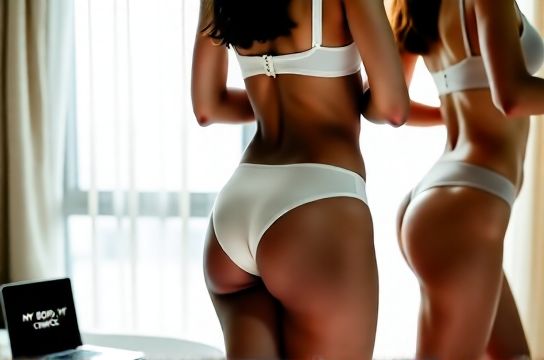
Just look at the numbers. In 2023, China’s lingerie market hit $28.5 billion, with an annual growth rate of 9.4%—outpacing many Western markets. But here’s the real story behind the stats: it’s not just about buying more bras. It’s about why people are buying them.
The Shift from Modesty to Self-Expression
Back in the 1990s, lingerie in China was largely hidden, associated with modesty and marital privacy. Fast forward to today, and platforms like Xiaohongshu (China’s answer to Instagram + Pinterest) are flooded with Chinese lingerie culture posts celebrating lace bodysuits, bold colors, and body positivity.
This shift mirrors broader societal changes. Urbanization, higher education rates among women, and access to global media have all played a role. According to a 2022 McKinsey report, 76% of Chinese women now say they buy lingerie for themselves—not for their partners or societal expectations.
Domestic Brands Rising Against International Giants
While Victoria’s Secret once dominated headlines, local brands like NEIWAI (内外) and Ubras are now leading the charge. Why? Because they speak directly to modern Chinese values—comfort, inclusivity, and authenticity.
Check out this comparison:
| Brand | Founded | Key Message | Market Share (2023) |
|---|---|---|---|
| Victoria’s Secret | 1977 (US) | Sexy, glamorous ideal | 12% |
| NEIWAI (内外) | 2012 (Shanghai) | Comfort meets beauty | 23% |
| Ubras | 2016 (Guangdong) | No-wire, no hassle | 19% |
Notice anything? The top performers are homegrown, digitally native, and built on real consumer insights—not fantasy.
Sizing Inclusivity & Body Positivity
Another game-changer? Inclusivity. While Western brands still struggle with extended sizing, NEIWAI offers cups up to G and band sizes beyond 40. Their campaign slogan—“My body, my decision”—resonated so deeply it went viral across Weibo and Douyin.
This isn’t just marketing fluff. A 2023 survey by iiMedia Research found that 68% of Chinese consumers prefer brands that promote realistic body images—up from just 41% in 2018.
The Role of E-Commerce & Social Commerce
You can’t talk about lingerie trends in China without mentioning live-streaming. On platforms like Taobao Live, Ubras once sold over 100,000 units in a single 2-hour broadcast by focusing on comfort tech—like seamless fabric and breathable materials.
Social commerce has turned private purchases into public conversations. Women aren’t just buying—they’re reviewing, sharing fit tips, and normalizing discussions about bodies and self-care.
What’s Next?
The future of lingerie in China is personal, political, and profoundly cultural. It’s less about seduction and more about self-respect. As one NEIWAI customer put it: *“I used to wear uncomfortable bras because I thought I had to. Now I choose what makes me feel strong.”*
So yes, Chinese lingerie culture is evolving—and with it, attitudes toward gender, beauty, and freedom. And honestly? This is just the beginning.