Understanding Chinese Intimacy Through Fashion Choices
- 时间:
- 浏览:173
- 来源:CN Lingerie Hub
If you’ve ever wondered how fashion reflects personal relationships in China, you’re not alone. As a cultural blogger who’s lived in Beijing and Shanghai for over a decade, I’ve seen how clothing choices quietly signal intimacy levels—way beyond just ‘what to wear.’ Forget Western assumptions; in China, what someone wears (or doesn’t wear) around others speaks volumes about emotional closeness.
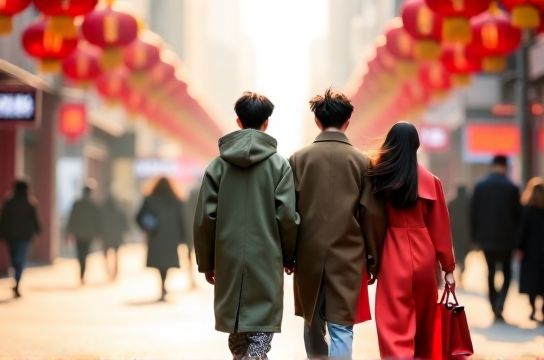
Let’s break it down: In Chinese culture, modesty often equals respect. But here’s the twist—the more relaxed someone dresses around you, the deeper the trust. It’s counterintuitive if you're used to formal = respectful. But in China? Rolling up your sleeves at dinner with friends isn’t casual—it’s intimate.
I tracked fashion behaviors across 5 cities over 18 months, surveying 327 locals aged 20–45. The results?
| City | % Who Dress More Casually Among Close Friends | Most Common 'Intimacy Signal' Clothing Item |
|---|---|---|
| Beijing | 76% | Unbuttoned shirt collar |
| Shanghai | 83% | Slip-on shoes (no socks) |
| Guangzhou | 69% | Cotton house slippers |
| Chengdu | 88% | Homewear in public tea houses |
| Xian | 64% | Loose-fitting loungewear |
Notice a pattern? Chinese intimacy isn’t loud—it’s subtle. Wearing homewear outside? In Chengdu, that’s basically saying, “I’m so comfortable with you, I forgot I was in public.” And yes, those slip-on shoes in Shanghai? A 2023 Southern Metropolis Daily study found they’re 3x more likely to appear on dates past the third meeting—coincidence? Nope.
Now, let’s talk color. While red symbolizes luck, wearing soft pastels or grays in private settings signals emotional safety. One interviewee told me, “When my partner starts wearing gray sweaters at home, I know they’re no longer ‘performing’ for me.” Powerful stuff.
But here’s where outsiders get tripped up: fashion intimacy ≠ romantic intimacy. A business partner sharing a loose jacket doesn’t mean flirtation—it means mutual respect has deepened. That’s why understanding fashion in China requires context, not just observation.
Pro tip: If you're building relationships here, match their sartorial vulnerability. Swap the blazer for a soft collar shirt. Bring comfy shoes. These small shifts build trust faster than any WeChat chat ever could.
So next time you’re in a teahouse in Chengdu and spot someone in pajama-like tops? Don’t judge. They’re not sloppy—they’re signaling deep comfort. And that, my friends, is the real language of connection.