How Social Changes Shape China Lingerie Market Today
- 时间:
- 浏览:261
- 来源:CN Lingerie Hub
If you’ve been keeping an eye on the fashion scene in China, you’ve probably noticed a major shift — and no, it’s not just about lace vs. cotton. The China lingerie market is undergoing a cultural revolution, driven by changing social values, body positivity, and digital empowerment. As someone who’s spent years analyzing consumer behavior across Asia, I can tell you: this isn’t just a trend. It’s a transformation.
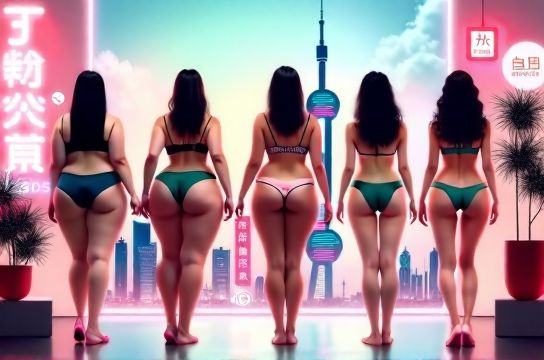
Gone are the days when lingerie meant one-size-fits-all, hidden in brown paper bags. Today’s Chinese consumers, especially Gen Z and young millennial women, are redefining intimacy wear as self-expression, comfort, and even activism. According to a 2023 report by iiMedia Research, the China lingerie market hit $15.8 billion in revenue, with an annual growth rate of 9.4% — outpacing many other apparel segments.
What’s fueling this boom? Let’s break it down.
1. Body Positivity Goes Mainstream
In the past, beauty standards in China leaned heavily toward slim, petite figures. But thanks to social media influencers, inclusive campaigns, and homegrown brands like NEIWAI (meaning "inner"), the narrative is shifting. NEIWAI’s 2022 campaign featuring real women of all shapes, sizes, and skin tones went viral — racking up over 50 million views on Weibo.
This isn’t just good PR. It’s smart business. A survey by McKinsey found that 68% of urban Chinese women now prioritize comfort over traditional 'sexy' designs. That’s why seamless bras, cotton sets, and gender-neutral loungewear are flying off shelves.
2. E-Commerce & Social Commerce Are Game-Changers
WeChat mini-programs, Douyin (China’s TikTok), and live-stream shopping have turned lingerie buying from taboo to trendy. In 2023, over 60% of lingerie sales in China happened online — up from just 35% in 2018.
Brands aren’t just selling products; they’re building communities. Take Ubras, a direct-to-consumer brand that used KOLs (Key Opinion Leaders) to spark conversations around ‘no-wire freedom.’ Their 2021 ad slogan — “I’m not for pleasing eyes” — became a feminist talking point and helped them capture 12% of the market share.
3. Privacy Meets Personalization
Chinese consumers value discretion. That’s why top brands offer unmarked packaging, private consultations via chatbots, and AI-powered fit recommenders. Data shows that 74% of buyers are more likely to repurchase if they receive personalized size suggestions.
Here’s a snapshot of how key players stack up:
| Brand | Market Share (2023) | Online Sales % | Key Differentiator |
|---|---|---|---|
| Ubras | 12% | 95% | No-wire innovation |
| NEIWAI | 10% | 88% | Inclusive branding |
| Aimer | 9% | 45% | Offline experience |
| Triumph | 7% | 52% | International heritage |
As you can see, digital-first brands are pulling ahead. But legacy players are adapting — Aimer, for example, launched a successful body-positive line in 2022 and boosted online sales by 37% year-on-year.
4. The Rise of the Informed Consumer
Today’s buyer doesn’t just want pretty lace — she wants to know fabric sourcing, ethical labor practices, and whether the brand supports mental wellness. Sustainability is no longer a buzzword; it’s a requirement. Over 60% of surveyed consumers said they’d pay 10–15% more for eco-friendly materials.
In short, the lingerie market in China isn’t just growing — it’s evolving. And if you're a brand, retailer, or observer, understanding these social shifts isn’t optional. It’s essential.