Historical Roots of Chinese Intimate Apparel
- 时间:
- 浏览:172
- 来源:CN Lingerie Hub
If you're into fashion history — especially lingerie — you’ve probably wondered: where did Chinese intimate apparel actually begin? Spoiler: it’s way older, smarter, and more stylish than most people think. Let’s dive into the hidden threads of China’s undergarment evolution, from ancient silks to modern microfibers.
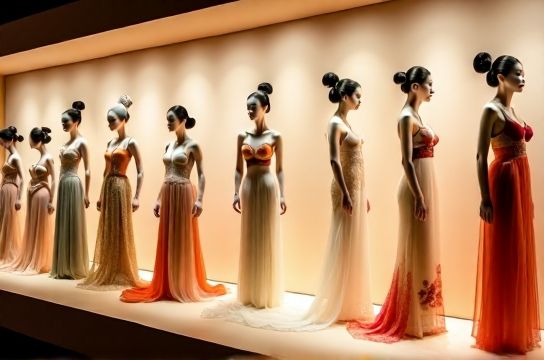
Long before Victoria’s Secret hit the scene, Chinese women were rocking functional, elegant underlayers made from hand-woven silk and cotton. As early as the Tang Dynasty (618–907 AD), inner garments weren’t just about modesty — they shaped silhouettes, signaled status, and even influenced health practices. Yes, your grandma’s qipao had serious lingerie roots!
By the Ming (1368–1644) and Qing (1644–1912) dynasties, the *xia yi* (literally “under clothes”) became a full system. These included sleeveless vests (*du du*), wrap-style bras (*moge*), and abdominal binders (*fujin*) believed to support posture and digestion. Think of them as the ancient version of shapewear — but with better craftsmanship.
From Corsets to Comfort: The 20th Century Shift
The real game-changer? The 1920s. With Western influence rising, the traditional *dudou* — a diamond-shaped silk underscarf tied at the neck and waist — began blending with European brassieres. Shanghai became the hotspot for hybrid designs, merging East-meets-West aesthetics.
Fast-forward to the 1980s: economic reforms opened China to global fashion. By 1995, domestic lingerie sales jumped over 300% in a decade. Brands like Maniform and Sara emerged, focusing on local body types and cultural preferences — something Western brands often missed.
Modern Trends Backed by Data
Today, China’s intimate apparel market is worth over $28 billion USD annually, growing at 7.3% CAGR (2023–2030, Statista). But what are consumers really buying?
| Product Type | Market Share (%) | Avg. Price (RMB) | Preferred Material |
|---|---|---|---|
| Wireless Bras | 42% | 128 | Bamboo Cotton |
| Padded Bras | 28% | 156 | Microfiber |
| Sports Bras | 18% | 189 | Nylon-Spandex Blend |
| Traditional Dudou-Inspired | 7% | 210 | Silk |
Notice anything? Comfort rules. And heritage designs are making a quiet comeback — especially among Gen Z shoppers looking for cultural identity in their wardrobe.
The rise of e-commerce has also changed the game. In 2023, 68% of lingerie purchases happened online, with livestream selling contributing nearly 40% of brand revenue (Nielsen China Report). Platforms like Taobao and Douyin aren’t just selling bras — they’re educating consumers on fit, fabric, and function.
Why This History Matters Today
Understanding the historical roots of Chinese intimate apparel isn’t just academic. It helps brands design better products, marketers speak authentically, and wearers appreciate the craft. Whether you’re shopping for comfort, style, or cultural connection, knowing where these designs come from adds depth to every choice.
So next time you slip on a soft bamboo-cotton bra, remember: you’re not just wearing underwear. You’re carrying centuries of innovation, resilience, and quiet rebellion — one stitch at a time.