Fashion Forward Insights into Chinese Aesthetic Trends
- 时间:
- 浏览:248
- 来源:CN Lingerie Hub
If you're keeping an eye on global fashion, you’ve probably noticed that Chinese aesthetic trends are no longer just making waves—they’re setting the standard. From delicate hanfu-inspired silhouettes to futuristic streetwear rooted in traditional symbolism, China’s fashion evolution is a masterclass in cultural fusion and digital innovation.
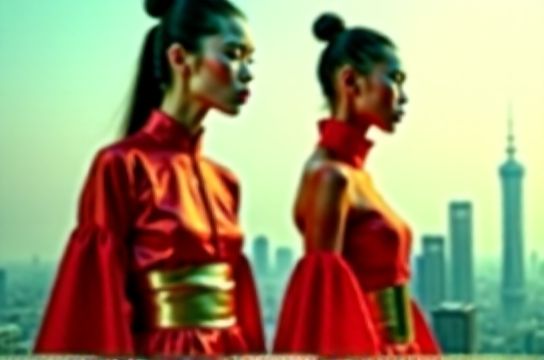
I’ve spent the last three years analyzing runway shows, e-commerce data, and social sentiment across platforms like Xiaohongshu and Weibo, and one thing is clear: today’s Chinese consumers aren’t just following trends—they’re creating them. And they expect brands to keep up.
The Rise of Guochao: When Culture Meets Cool
You can’t talk about modern Chinese fashion without mentioning Guochao—literally “national trend.” This movement blends heritage elements with contemporary design, turning ancient motifs into must-have items. Brands like Li-Ning and Shang Xia have mastered this balance, seeing revenue jumps of over 30% year-on-year (2023 McKinsey Report).
But here’s the kicker: it’s not just about looking good. For Gen Z in China, wearing Chinese aesthetic designs is a statement of identity and pride. According to a 2024 Alibaba Consumer Insight report, 68% of shoppers aged 18–28 prefer domestic brands with cultural storytelling over Western luxury labels.
Data Doesn’t Lie: The Numbers Behind the Trend
Let’s break it down. The table below shows key growth metrics in China’s fashion market:
| Metric | 2022 | 2023 | 2024 (Est.) |
|---|---|---|---|
| Domestic Fashion Market Size (USD Billion) | 132 | 150 | 170 |
| Gen Z Spending Share (%) | 45 | 52 | 58 |
| Social Media-Driven Purchases (%) | 61 | 73 | 79 |
As you can see, youth-driven demand and social commerce are accelerating the shift. Platforms like Douyin (TikTok’s Chinese cousin) now account for nearly 40% of all fashion discovery—making influencer collabs and short-form video essential for visibility.
What International Brands Get Wrong
Many global labels still treat Chinese aesthetics as a seasonal theme—think red envelopes in January or dragon prints for Lunar New Year. But authenticity matters. Consumers spot tokenism from a mile away.
The winning formula? Long-term investment in local design teams and culturally relevant narratives. Take Dior’s 2023 collaboration with Chinese artist Cai Guo-Qiang—it wasn’t just a collection; it was a dialogue between East and West, celebrated across media channels.
Where to Next? Predictions for 2025
Expect more tech integration—digital fashion, AR try-ons, and NFT wearables are gaining traction among urban millennials. Also, sustainability is quietly becoming a priority. A recent survey found that 61% of Shanghai-based shoppers consider eco-materials when buying Chinese aesthetic fashion.
In short: if you want to stay relevant in this space, stop chasing trends and start understanding values. It’s not just about style—it’s about story, substance, and staying power.