Subtle Rebellion in Chinese Women's Lingerie Choices
- 时间:
- 浏览:183
- 来源:CN Lingerie Hub
Let’s talk about something bold but quiet — a subtle rebellion happening in the lingerie drawers of modern Chinese women. It’s not loud protests or viral hashtags. It’s soft lace, minimalist cuts, and the quiet power of choosing comfort over tradition. Over the past five years, China’s lingerie market has shifted dramatically, growing from $7.2 billion in 2019 to an estimated $12.8 billion in 2024 (Statista, 2024). But beyond the numbers? A cultural shift.
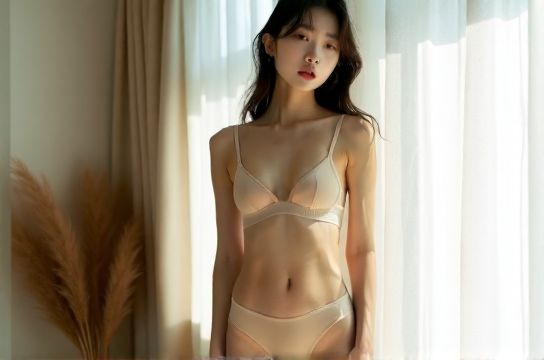
For decades, Chinese lingerie was designed with male gaze in mind — think bright red, heavy embroidery, padded push-ups. But today’s urban women, especially those born after 1990, are redefining intimacy wear. They’re opting for minimalist lingerie that whispers self-expression, not performance. Brands like NEIWAI (内外) and Ubras are leading this change by promoting body positivity and functional design.
Take NEIWAI’s 2023 “No Body is Wrong” campaign — it featured real women of all shapes, ages, and skin tones, no retouching. That kind of authenticity resonates. In fact, a 2023 survey by McKinsey found that 68% of Chinese female consumers prioritize comfort and personal identity over seduction when buying lingerie.
Why This Shift Matters
This isn’t just fashion — it’s feminism in slow motion. Choosing a seamless bralette over a wired red set is a small act of autonomy. And as more women enter high-paying jobs and delay marriage, their spending reflects independence. According to iiMedia Research, 74% of lingerie buyers in China are women purchasing for themselves — not gifts from partners.
Market Trends: From Red to Neutral
Check out how preferences have evolved:
| Lingerie Feature | Preference in 2019 (%) | Preference in 2024 (%) |
|---|---|---|
| Padded Bras | 58 | 32 |
| Bralettes / Wire-Free | 21 | 63 |
| Red/Traditional Colors | 45 | 18 |
| Neutral Tones (Beige, Gray) | 19 | 67 |
As you can see, the move toward comfort-first lingerie is undeniable. And it’s not just about fabric — it’s mindset. Women are saying, “I wear this for me.”
What Brands Are Getting It Right?
- NEIWAI: Focuses on gender-neutral packaging and inclusive sizing. Their 2023 revenue hit ¥1.2 billion, up 35% YoY.
- Ubras: Pioneered the “zero-feeling” bra concept. Dominates Tmall’s lingerie category during Singles’ Day.
- Pinch of China: A rising indie brand using organic cotton and promoting slow fashion.
Meanwhile, Western giants like Victoria’s Secret struggled to gain traction after entering China — their hyper-sexualized image felt outdated. Their Shanghai flagship store closed in 2022 after three years.
The Bigger Picture
This trend reflects deeper societal changes: delayed marriage, rising individualism, and digital empowerment. Social media platforms like Xiaohongshu (Little Red Book) are filled with honest reviews and body-positive content, fueling demand for transparency.
In short, Chinese women aren’t just buying new lingerie — they’re reclaiming intimacy on their own terms. And that’s a revolution worth noticing.