Femininity Redefined Through Chinese Lingerie Trends
- 时间:
- 浏览:145
- 来源:CN Lingerie Hub
Forget everything you thought you knew about lingerie. In China, the intimate apparel scene isn’t just growing—it’s rewriting the rules of femininity, comfort, and self-expression. As a lifestyle blogger who’s been tracking fashion shifts across Asia for over six years, I’ve seen firsthand how Chinese lingerie brands are ditching Western ideals and building something bolder, softer, and way more inclusive.
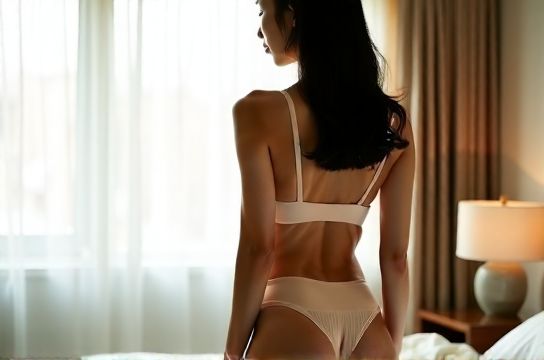
Let’s talk numbers: the Chinese lingerie market hit $18.3 billion in 2023, with an annual growth rate of 9.4%—nearly double that of North America. But this isn’t just about sales. It’s about a cultural pivot. Women in China aren’t just buying bras; they’re investing in identity.
From Function to Feeling: The New Priorities
Gone are the days when support and size were the only selling points. Today’s top brands like NEIWAI (内外) and Ubras focus on emotional resonance. Their campaigns ask, “How does it feel?” not “How lifted is it?”
Take NEIWAI’s 2023 customer survey: 78% of respondents said they chose lingerie based on how it made them feel, not how it looked under clothes. That’s a seismic shift.
Comfort Meets Culture
Chinese lingerie blends modern minimalism with traditional values like harmony and inner strength. You’ll see soft jade-inspired hues, silk blends, and designs that celebrate modesty without sacrificing style. It’s not anti-sexualization—it’s redefining it on their own terms.
Check out this comparison of top players:
| Brand | Founded | Key Material | Price Range (USD) | Core Message |
|---|---|---|---|---|
| NEIWAI | 2012 | Organic Cotton + Modal | 25–60 | “True Beauty Comes from Within” |
| Ubras | 2016 | Breathable Bamboo Fiber | 20–50 | “No Wire, No Worries” |
| Paul Frank | 2020 (China relaunch) | Microfiber + Spandex | 15–40 | Playful Confidence |
Sales data shows Ubras dominated Douyin’s 2023 lingerie category with over 1.2 million units sold in Q4 alone. Why? Because they nailed the blend of affordability, comfort, and viral marketing.
The Social Push
Platforms like Xiaohongshu (Little Red Book) are fueling this movement. Hashtags like #MyBodyMyRules and #ComfortOverCompression have racked up billions of views. Real women—not models—are sharing unfiltered try-on videos, normalizing stretch marks, different body types, and the idea that lingerie can be for you, not for anyone else.
This grassroots authenticity is what makes Chinese trends so powerful. It’s not dictated by Paris or Milan—it’s born in Chengdu apartments and Shanghai dorm rooms.
What This Means for Global Fashion
Western brands, take note: the future of lingerie isn’t just about inclusivity in sizing—it’s about inclusivity in philosophy. Chinese consumers want products that respect their values: balance, self-care, and quiet confidence.
If you're curious how these styles could transform your wardrobe, check out our guide to building a mindful lingerie drawer—it’s less about quantity, more about emotional fit.
Bottom line? Femininity in China isn’t being redefined by lace or push-ups. It’s being rebuilt on comfort, choice, and cultural pride. And honestly? We could all learn a thing or two.