Media Impact on Chinese Perceptions of Lingerie
- 时间:
- 浏览:246
- 来源:CN Lingerie Hub
Let’s talk about something that’s been quietly shifting in China — how people see lingerie. It’s not just underwear anymore. Thanks to media influence, lingerie has transformed from a private necessity to a symbol of self-expression, confidence, and even feminism. As someone who’s been analyzing fashion trends and media narratives in China for over a decade, I’ve seen this evolution firsthand.
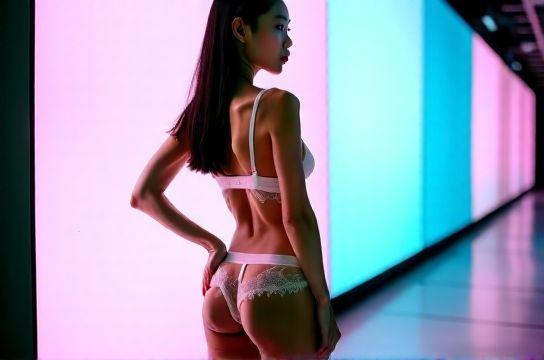
Remember when lingerie ads in China were all about modesty? Fast forward to today, and you’ll see campaigns by brands like NEIWAI (内外) and Ubras featuring real women — different body types, ages, and skin tones — talking openly about comfort and empowerment. That shift didn’t happen by accident. It was driven by digital media, social platforms, and changing societal values.
Take Xiaohongshu (Little Red Book) and Weibo, for example. These platforms have become hotspots for lingerie discussions. A 2023 report by iiMedia Research found that over 68% of Chinese women aged 18–35 now engage with lingerie-related content online — up from just 32% in 2019. That’s a massive jump.
But here’s the thing: media doesn’t just reflect change — it shapes it. When celebrities like Zhou Dongyu or Yang Mi endorse body-positive campaigns, millions notice. One Ubras ad featuring Yang Mi generated 420 million views in a week and sparked nationwide conversations about women’s autonomy over their bodies.
Let’s break down how different media channels impact perceptions:
Media Influence on Lingerie Perception (2023 Survey Data)
| Media Channel | % of Women Influenced | Top Perception Shift |
|---|---|---|
| Social Media (Xiaohongshu, WeChat) | 74% | Lingerie = Self-care |
| Celebrity Endorsements | 61% | Lingerie = Confidence |
| E-commerce Ads (Tmall, JD) | 53% | Lingerie = Fashion |
| TV & Print Media | 29% | Lingerie = Privacy |
As you can see, digital platforms are leading the charge. And it’s not just about selling products — it’s about redefining norms. The term “my body, my choice” has gained traction, especially among Gen Z. In fact, NEIWAI’s slogan “No Body is Nobody” became a viral hashtag, used over 1.2 million times on Weibo.
Still, challenges remain. Traditional views linger, especially in smaller cities. Some brands still face censorship for being ‘too revealing.’ But overall, the narrative is shifting — and media is holding the pen.
If you’re trying to understand modern Chinese consumer behavior, don’t overlook the role of media in reshaping intimate apparel attitudes. It’s no longer just about fit or fabric — it’s about identity.