The Role of Color in Chinese Lingerie Aesthetics
- 时间:
- 浏览:267
- 来源:CN Lingerie Hub
If you’ve ever scrolled through a Chinese lingerie brand’s page—whether on Taobao, JD.com, or even TikTok—you’ve probably noticed something: color isn’t just decorative. It’s symbolic, emotional, and deeply cultural. As someone who’s spent years analyzing fashion psychology and cross-cultural design trends, I can tell you—color choices in Chinese lingerie are anything but random.
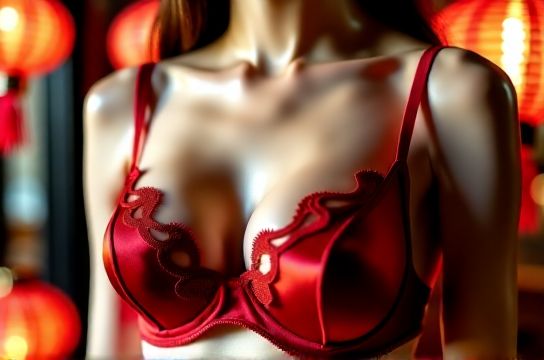
Why Color Matters More Than Fabric (Sometimes)
In Western markets, lingerie is often marketed around fit, comfort, or empowerment. But in China, color plays a leading role in consumer decisions. According to a 2023 Alibaba Fashion Report, 68% of Chinese consumers said color was among their top three purchase drivers for intimate apparel—beating out price in some demographics.
Why? Because in Chinese culture, colors carry meanings that go beyond aesthetics. Think red for luck, pink for romance, gold for wealth. These aren’t just vibes—they’re deeply rooted beliefs that influence buying behavior.
The Psychology Behind the Palette
Let’s break it down. Here’s a quick look at the most common colors in Chinese lingerie collections and what they really mean:
| Color | Cultural Meaning | Market Popularity (2023) | Best For |
|---|---|---|---|
| Red | Luck, passion, celebration | 42% | Weddings, Valentine’s, Lunar New Year |
| Pink | Romance, youth, sweetness | 28% | Daily wear, gifts for partners |
| Black | Sophistication, mystery | 15% | Urban professionals, luxury buyers |
| Gold/Beige | Wealth, elegance, purity | 9% | Bridal sets, high-end lines |
| White | Purity, simplicity | 6% | Minimalist brands, younger audiences |
As you can see, red lingerie dominates—not just during festivals, but year-round. Why? Because many Chinese consumers believe wearing red brings good fortune, especially in relationships. It’s not just sexy—it’s auspicious.
Seasonal Trends & Sales Peaks
Color demand shifts with the calendar. Take Singles’ Day (November 11) vs. Qixi Festival (Chinese Valentine’s Day). While both drive lingerie sales, the color mix differs:
- Qixi Festival: Pink and red spike—up to 75% of bestsellers feature warm tones.
- Lunar New Year: Red and gold rule, with themed packaging boosting conversion by 30%.
- Singles’ Day: More variety—black and nude gain traction as self-purchase rises.
This matters if you’re sourcing or selling. Launching a red satin set in January? You’re speaking the market’s visual language.
How Brands Use Color Strategically
Top Chinese brands like Maniform and NEIWAI don’t just pick colors—they engineer emotional responses. NEIWAI’s 2023 ‘Cinnabar Red’ collection, for example, sold out in 72 hours. Their secret? Framed red as both traditional and modern, tapping into national pride and intimacy.
Meanwhile, international brands entering China often misstep. One European label launched a ‘mystic purple’ line—huge in Paris, but flopped in Shanghai. Why? Purple has funerary associations in some regions of China. Oops.
Pro Tip: Match Color to Customer Intent
Here’s my rule of thumb:
- Gift buyers? Go bold—red, pink, gold.
- Self-purchasers? Lean into black, beige, soft lace neutrals.
- Luxury seekers? Combine red with silk textures or gold embroidery.
And if you're building a collection, consider offering a lucky red set as a staple—not a seasonal item. It’s not just lingerie. It’s cultural code.