The Cultural Meaning Behind Modern Chinese Lingerie
- 时间:
- 浏览:223
- 来源:CN Lingerie Hub
If you think Chinese lingerie is just about silk and red embroidery, think again. Over the past decade, brands like Ubras and NEIWAI (meaning 'inner & outer') have flipped the script — blending tradition with body positivity and modern minimalism. But what’s really driving this shift? Let’s break it down with data, cultural context, and a few insider truths.
China’s intimate apparel market hit $28.3 billion in 2023, growing at 9.4% annually (Statista). Unlike Western markets dominated by push-up bras and lace, today’s Chinese consumers are voting with their wallets for comfort, self-expression, and cultural identity. And yes — politics and feminism quietly play a role too.
Take the “no-wire bra” trend. Ubras didn’t invent it, but they exploded it in 2019 with their “zero-feeling” campaign. Sales jumped from ¥500M to over ¥2B in two years. Why? Because young Chinese women are rejecting painful beauty standards — and embracing a new kind of freedom.
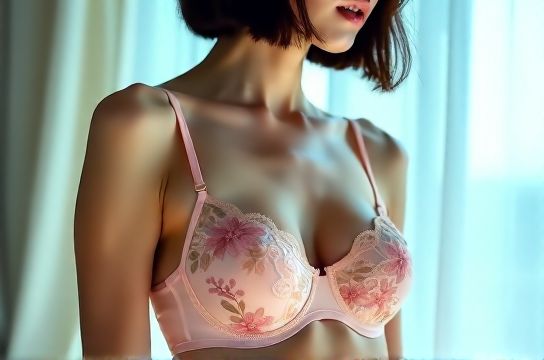
But it’s not all minimalism. Traditional symbolism still thrives. Red remains the top color during Chinese New Year and weddings — associated with luck and passion. Floral patterns, especially peonies, symbolize prosperity and feminine grace. The twist? These elements are now paired with breathable bamboo fabric and ergonomic design.
How Tradition Meets Trend: Market Data Breakdown
| Brand | Founded | Key Selling Point | 2023 Revenue (Est.) |
|---|---|---|---|
| Ubras | 2016 | No-wire comfort | ¥2.8B |
| NEIWAI | 2014 | Minimalist lifestyle brand | ¥1.9B |
| Maniform | 1999 | Plus-size inclusivity | ¥1.2B |
| Triumph China | 1993 | Luxury + tradition | ¥3.1B |
Notice something? Even legacy players like Triumph are rebranding with softer messaging — focusing on ‘inner confidence’ rather than seduction. That’s no accident. A 2023 McKinsey report found that 68% of urban Chinese women aged 18–35 link lingerie choices to self-image, not partners.
And let’s talk sizing. While Western brands still struggle with one-size-fits-all approaches, local players use regional fit data. For example, average cup size in Shanghai is B, while in Guangzhou it’s A — influencing design and inventory. This hyper-local insight is why domestic brands dominate online sales, capturing 61% of Tmall’s lingerie category in 2023.
The bottom line? Modern Chinese lingerie isn’t just fashion — it’s a cultural mirror. From rejecting wire frames to reclaiming red as empowerment, every stitch tells a story. Whether you're a shopper or a skeptic, one thing’s clear: comfort has become a quiet revolution.