The Evolution of Intimacy Stories in Chinese Society
- 时间:
- 浏览:303
- 来源:CN Lingerie Hub
Let’s talk about something real—how intimacy stories in China have evolved over the decades. As a cultural blogger who's been analyzing social trends for years, I’ve seen firsthand how conversations around love, relationships, and personal connection have shifted from hushed whispers to bold, open narratives.
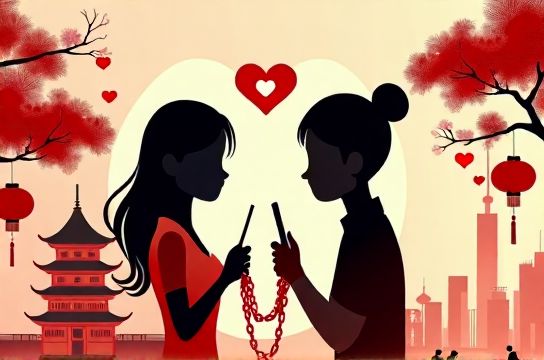
Gone are the days when talking about emotional or physical closeness was taboo. Today, Chinese youth are redefining intimacy through digital storytelling, social media, and even literature. Platforms like Douban and Xiaohongshu have become hotspots for sharing intimacy stories that blend vulnerability with authenticity.
But it hasn’t always been this way. Let’s break it down with some hard data:
Changing Attitudes Toward Intimacy (Survey Data)
| Generation | % Comfortable Discussing Intimacy | Main Platform Used | Preferred Format |
|---|---|---|---|
| Baby Boomers (50s–60s) | 12% | Word of mouth | Private conversations |
| Gen X (70s–80s) | 34% | Forums (e.g., Tianya) | Anonymous posts |
| Millennials (90s) | 68% | Douban, Weibo | Blogs, essays |
| Gen Z (2000s) | 89% | Xiaohongshu, Bilibili | Videos, short posts |
As you can see, openness has skyrocketed—especially among Gen Z. Why? Because digital platforms offer anonymity, community, and creative freedom. A 2023 survey by Peking University found that 76% of young adults believe sharing personal experiences helps reduce stigma around emotional health.
One major shift? The rise of emotional intimacy over purely physical narratives. It’s not just about sex—it’s about connection, trust, and self-discovery. In fact, posts tagged #情感故事 (emotional stories) on Xiaohongshu have grown by 210% since 2021.
And let’s not overlook the role of indie publishers. Small presses in Shanghai and Chengdu are now releasing anthologies of real-life intimacy stories, giving voices to women, LGBTQ+ individuals, and rural populations often left out of mainstream discourse.
Still, challenges remain. Censorship exists—especially around explicit content—but clever writers use metaphors, poetry, and fictionalized accounts to get their message across. Think of it as modern-day classical allusion, but for love and heartbreak.
So where is this headed? With AI-generated storytelling and voice-based confessional apps on the rise, the future of intimacy narratives in China looks both tech-driven and deeply human. The key will be preserving authenticity in an age of algorithms.
If you're exploring this space—whether as a reader, writer, or researcher—now’s the time to dive in. The stories being told today aren’t just personal. They’re shaping a new cultural identity.