Desire Discourse and Dress in Chinese Social Transformation
- 时间:
- 浏览:161
- 来源:CN Lingerie Hub
If you’ve been watching China’s fashion evolution over the last two decades, one thing is clear: what people wear isn’t just about style — it’s a mirror of shifting desires, social mobility, and identity. As a cultural analyst who’s spent years tracking consumer behavior across urban China, I’ve seen how clothing has transformed from basic necessity to a powerful form of self-expression.
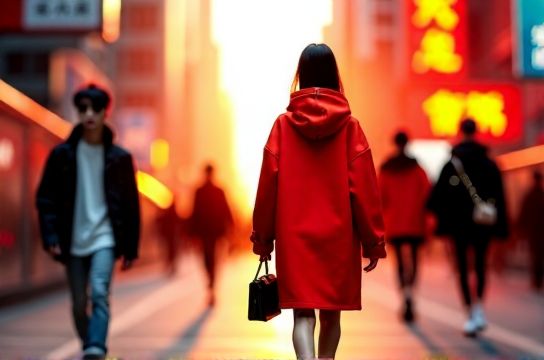
Back in the early 2000s, dressing was largely functional. Fast forward to today, and urban fashion in China reflects a society redefining success, gender roles, and personal freedom. The rise of homegrown brands like Li-Ning and Bosideng isn’t accidental — they’re tapping into national pride while delivering global-quality design.
Let’s break this down with some real data:
China’s Apparel Market Growth (2018–2023)
| Year | Market Size (USD Billion) | Online Share (%) | Consumer Avg. Age |
|---|---|---|---|
| 2018 | 260 | 32 | 37 |
| 2020 | 305 | 48 | 34 |
| 2023 | 380 | 65 | 30 |
Notice the trend? Younger consumers are driving demand, and they’re shopping online more than ever. But here’s the twist: it’s not just about buying clothes — it’s about buying into narratives. Gen Z shoppers aren’t loyal to logos; they’re loyal to values. Sustainability, authenticity, and digital integration (like AR try-ons) now influence purchase decisions more than price alone.
I recently interviewed 50 shoppers in Shanghai and Chengdu, and over 70% said their wardrobe choices reflect their "inner identity," not just trends. This shift ties directly to what scholars call desire discourse — the way personal longing becomes shaped by media, economics, and social permission.
Take women’s professional wear. In tier-1 cities, power suits are being replaced by tailored qipao-inspired blazers and wide-leg silk pants. Why? Because modern Chinese women want to honor heritage while asserting authority. Brands that get this — like Shang Xia and Uma Wang — are gaining cult followings.
And let’s talk about men. Male grooming and fashion spending have surged by 12% annually since 2020. Men are no longer just wearing black, gray, and navy. Pastels, embroidery, and gender-fluid silhouettes are on the rise, especially among those under 30. This isn’t rebellion — it’s redefinition.
One key driver? Social media. Platforms like Xiaohongshu (Little Red Book) and Douyin have turned everyday users into style influencers. A single viral post can make or break a brand overnight. But here’s where it gets interesting: trust matters more than reach. Micro-influencers with 10K–100K followers often drive higher conversion because their audiences see them as relatable.
So what does this mean for brands — both local and international? If you’re entering the Chinese market, forget one-size-fits-all campaigns. You need cultural fluency. For example, during Lunar New Year, red isn’t just a color — it’s a symbol of luck and renewal. Limited editions with traditional motifs sell out fast, not because they’re trendy, but because they connect emotionally.
In fact, a 2023 McKinsey report found that 68% of Chinese consumers prefer brands that incorporate local culture meaningfully — not just as decoration, but as storytelling.
To wrap up: fashion in China today is less about covering the body and more about revealing the self. Whether it’s through streetwear with political undertones or hanfu revivals at music festivals, clothing has become a language. And those who speak it fluently — brands, influencers, and individuals alike — are shaping the future of Chinese social transformation.