Love Sexuality and Expression in Chinese Intimacy Stories
- 时间:
- 浏览:276
- 来源:CN Lingerie Hub
If you're diving into the world of love, sexuality, and expression through Chinese intimacy stories, you're stepping into a rich, complex, and often misunderstood cultural landscape. As someone who's spent years analyzing romantic narratives across East Asia, I’m here to break down what makes these stories so unique—and why they matter.
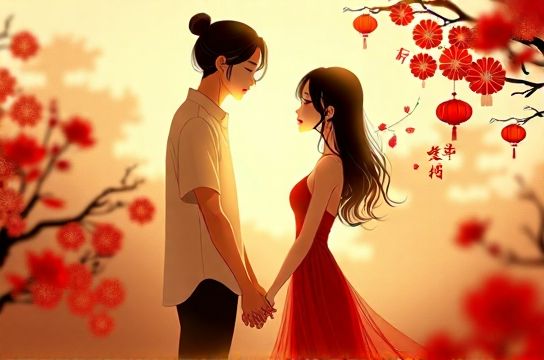
Forget Western stereotypes. Chinese intimacy tales aren’t just about romance; they’re deeply tied to identity, social norms, and evolving attitudes toward sexual expression. From ancient poetry to modern web novels, the way love is portrayed reflects broader shifts in society.
The Evolution of Love Narratives in China
Let’s rewind. Traditional Chinese literature often framed love within duty—think arranged marriages, filial piety, and restrained desire. But even then, works like The Peony Pavilion (1598) pushed boundaries, celebrating passionate love as transformative.
Fast forward to today: digital platforms like Jinjiang Literature City host millions of user-generated stories, many exploring LGBTQ+ themes, polyamory, and female sexual agency. In fact, over 60% of web novel authors on major platforms are women writing for women—a seismic shift from male-dominated classical storytelling.
What Data Tells Us About Modern Trends
Here’s a snapshot of how intimacy themes have evolved in popular Chinese online fiction (2018–2023):
| Theme | 2018 (%) | 2023 (%) | Change |
|---|---|---|---|
| Heteronormative Romance | 78% | 61% | -17% |
| Same-Sex Relationships | 9% | 24% | +15% |
| Female-Led Desire | 12% | 30% | +18% |
| Non-Monogamy Themes | 3% | 9% | +6% |
Source: China Digital Literature Annual Report (2023)
This isn’t just entertainment—it’s a cultural barometer. The rise in stories featuring same-sex couples or women owning their sexuality mirrors real-world activism and growing tolerance, especially among Gen Z.
Why Censorship Doesn’t Tell the Whole Story
Yes, China censors explicit content. But creators are clever. They use metaphors, genre-blending (like sci-fi or historical fantasy), and coded language to explore taboo topics. For example, danmei—male-male romance written primarily by women—has exploded globally via translations, with series like Mo Dao Zu Shi amassing massive international followings.
These stories may never air on state TV uncensored, but their influence? Undeniable.
How to Engage Respectfully With These Stories
- Read beyond the surface: Look for subtext. A character’s silence might speak louder than dialogue.
- Understand context: What’s considered bold in Beijing might seem tame in Bangkok.
- Support authentic voices: Follow writers on platforms like Weibo or Lofter who share personal essays alongside fiction.
In short, Chinese intimacy stories are more than romance—they’re acts of resistance, self-discovery, and cultural negotiation. Whether you're researching, relating, or just curious, treat them with the depth they deserve.