From Taboo to Trend Chinese Lingerie Culture Transformed
- 时间:
- 浏览:245
- 来源:CN Lingerie Hub
Remember when talking about lingerie in China felt like walking through a minefield? Yeah, me too. But fast-forward to 2024, and the game has totally changed. As someone who’s been covering fashion trends across Asia for over a decade, I’ve watched Chinese lingerie culture evolve from hushed whispers to bold self-expression — and let me tell you, it’s not just a trend, it’s a revolution.
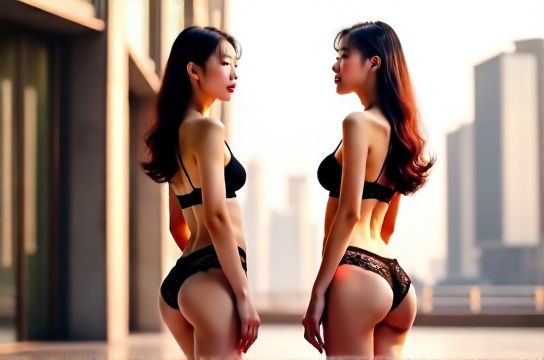
Gone are the days when white cotton bras were the only option. Today, Chinese women aren’t just buying lingerie — they’re curating identities. According to a 2023 report by iiMedia Research, China’s intimate apparel market hit $28.7 billion, with online sales growing at 15% year-on-year. That’s not just impressive — it’s explosive.
So what sparked this shift? A mix of social media, rising female empowerment, and homegrown brands that actually get local tastes. Platforms like Xiaohongshu (China’s answer to Instagram) have turned lingerie try-on videos into viral content. And brands? They’re ditching Western templates and designing for real Chinese bodies — smaller cup sizes, lighter padding, and cuts that flatter Asian silhouettes.
Take Neiwear or Ubras — two disruptors leading the charge. Ubras reported over 2 million units sold during the 2023 Singles’ Day festival alone. Their secret? Wire-free designs marketed as “comfort-first,” tapping into a generation that values wellness over tight-laced aesthetics.
But here’s the real tea: it’s not just about comfort. It’s about choice. Women now pick lingerie based on mood, occasion, or even astrology (yes, really). The idea of lingerie as taboo is being replaced by the idea of lingerie as self-care.
Market Growth & Consumer Shifts (2019–2023)
| Year | Market Size (USD Billion) | Online Share | Top Consumer Age Group |
|---|---|---|---|
| 2019 | 18.2 | 42% | 25–34 |
| 2020 | 20.1 | 56% | 25–34 |
| 2021 | 23.4 | 61% | 25–34 |
| 2022 | 25.9 | 67% | 25–34 |
| 2023 | 28.7 | 72% | 18–24 |
Notice something? The Chinese lingerie market didn’t just grow — it digitized fast. And in 2023, the top buyers shifted to Gen Z. These young shoppers don’t want push-up bras they’ll never wear; they want breathable fabrics, genderless styles, and inclusive sizing. Sustainability matters too — 68% say eco-materials influence their purchase, per a 2023 McKinsey survey.
Another big change? Men are entering the conversation. Not just as buyers for partners, but for themselves. Niche brands like EmbellishMe are launching androgynous lines, blurring gender lines in intimate fashion. It’s no longer just about seduction — it’s about identity.
And let’s talk pricing. While luxury imports like Victoria’s Secret still have fans, local brands dominate thanks to smart pricing. A premium Ubras set costs around ¥199 ($28), while imported ones can hit ¥600+. Value wins — especially when quality matches.
Looking ahead, I predict AI-driven fit tools and AR try-ons will go mainstream. Already, Taobao stores use virtual fitting rooms, reducing return rates by up to 30%. The future of lingerie in China isn’t just sexy — it’s smart.
Bottom line? What started as a taboo topic is now a symbol of confidence, culture, and cash. Whether you're a brand, buyer, or just curious, one thing’s clear: Chinese lingerie culture isn’t following global trends — it’s setting them.