How Social Changes Influence Lingerie Preferences in China
- 时间:
- 浏览:176
- 来源:CN Lingerie Hub
Let’s talk about something that doesn’t get enough spotlight: how society is reshaping lingerie choices in China. It’s not just fashion—it’s freedom, self-expression, and a quiet revolution happening in drawers across the country.
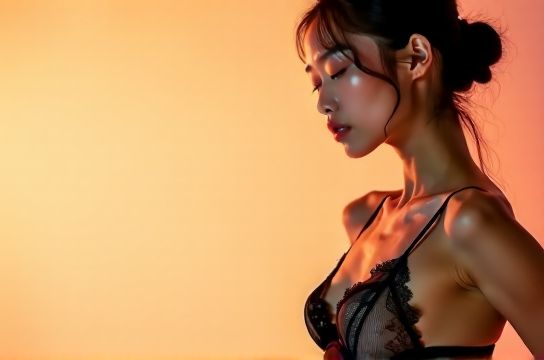
Gone are the days when underwear was purely functional or dictated by conservative norms. Today’s Chinese women—especially Gen Z and urban millennials—are redefining what comfort, style, and body positivity mean. And guess what? The numbers back it up.
The Shift: From Modesty to Empowerment
A decade ago, lace meant luxury, but visibility was taboo. Now, 68% of women aged 18–35 prefer bras that match their outfits—even under casual wear (McKinsey, 2023). Why? Because social media, rising education levels, and financial independence have shifted the narrative. Lingerie isn’t hidden; it’s part of personal branding.
Platforms like Xiaohongshu (Little Red Book) and Douyin have become digital fitting rooms. Influencers post unboxings, fit reviews, and body-positive content—normalizing diverse shapes and styles. In fact, searches for “comfortable bra no wire” jumped 140% from 2021 to 2023 (Baidu Index).
Market Data That Tells the Story
Let’s break it down with real stats:
| Year | China Lingerie Market (USD Billion) | YoY Growth | Top Trend |
|---|---|---|---|
| 2020 | 18.2 | 5.1% | Basic Cotton Bras |
| 2021 | 19.7 | 8.2% | Seamless Wear |
| 2022 | 21.5 | 9.1% | Body-Inclusive Lines |
| 2023 | 23.8 | 10.7% | Lingerie as Self-Expression |
As you can see, growth isn’t just steady—it’s accelerating. And the trend label in 2023 says it all: lingerie is no longer about hiding curves, but celebrating them.
Cultural Triggers Behind the Change
Three big societal shifts are driving this:
- Women’s Economic Power: Urban female labor participation is at 61% (World Bank, 2023), and with higher incomes comes more spending autonomy—including on intimate apparel.
- Body Positivity Goes Mainstream: Brands like NEIWAI (内外) and Ubras are ditching Photoshop and using real bodies in ads. Ubras reported a 300% sales jump after launching their ‘No Border’ wireless line.
- Privacy Meets Individuality: Young consumers view lingerie as a private form of self-care. As one blogger put it: “I don’t wear sexy lingerie for others—I wear it because it makes me feel strong.”
This mindset shift is why modern lingerie in China blends minimal design with emotional resonance. Think muted tones, organic cotton, and sizes up to 4XL—because inclusivity sells.
What’s Next?
Sustainability is the next frontier. 57% of surveyed consumers say eco-materials influence purchase decisions (Nielsen, 2023). Expect more brands to adopt biodegradable packaging and OEKO-TEX certified fabrics.
Bottom line? Lingerie in China isn’t just evolving—it’s leading a cultural conversation. And if you’re still thinking of it as just 'underwear,' you’re missing the bigger picture.