Romantic Identity and Lingerie in Chinese Society
- 时间:
- 浏览:159
- 来源:CN Lingerie Hub
If you're diving into the world of intimate fashion in China, you’re not just shopping—you're navigating a cultural shift. As romantic identity becomes more personal and expressive, lingerie in Chinese society is no longer just about function. It's about empowerment, self-expression, and yes—sexuality, quietly breaking through traditional norms.
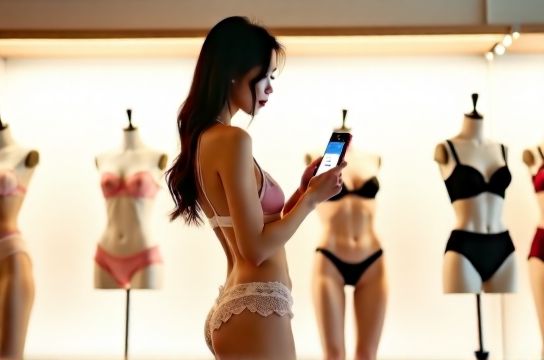
I’ve been tracking fashion trends across East Asia for over a decade, and the evolution of lingerie here? It’s one of the most underrated revolutions. Forget the idea that modesty rules all. In cities like Shanghai, Chengdu, and Guangzhou, women are redefining what intimacy means—with lace, silk, and bold choices.
Let’s talk numbers. According to a 2023 report by iiMedia Research, China’s lingerie market hit ¥175 billion (about $24 billion USD) last year, with an annual growth rate of 9.8%. And here’s the kicker: 68% of buyers are aged 18–35. This isn’t your grandma’s shapewear—it’s a youth-driven movement.
Why Lingerie Matters in Shaping Romantic Identity
In Western cultures, lingerie has long been tied to romance and confidence. But in China, it’s taking on a deeper role. For many young women, choosing bold or designer pieces is an act of reclaiming autonomy. It’s not just for a partner—it’s for themselves.
A 2022 survey by Alibaba’s Tmall found that over 60% of lingerie purchases were made without any holiday or gifting occasion. Translation? Women are buying for self-expression, not just seduction.
Market Leaders & Consumer Preferences
Here’s a snapshot of top lingerie brands in China and how they align with shifting identities:
| Brand | Origin | Price Range (RMB) | Key Appeal |
|---|---|---|---|
| Ubras | China | 99–399 | No-wire comfort + feminist branding |
| NEIWAI (内外) | China | 199–699 | Minimalist design, body positivity |
| Aimer | China | 299–999 | Luxury feel, romantic aesthetics |
| Victoria’s Secret | USA | 399–1,299 | Global brand prestige |
Notice a trend? Homegrown brands like NEIWAI and Ubras dominate because they speak directly to modern values—comfort, authenticity, and emotional connection. They’re not selling push-up bras; they’re selling self-love.
And let’s be real: Victoria’s Secret may have the glamor, but its sales dropped 23% in China from 2020 to 2023. Why? Too much focus on ‘the male gaze,’ not enough on female agency.
The Role of E-Commerce & Social Media
Platforms like Xiaohongshu (Little Red Book) and Douyin (TikTok) have turned lingerie talks into viral moments. Hashtags like #MyLingerieStory have over 480 million views. Real women share unfiltered photos, discuss fit issues, and celebrate body diversity.
This openness feeds into how romantic identity is formed—not through secrecy, but through community. It’s no longer taboo to say, “I wear red lace because it makes me feel powerful.”
What’s Next?
Expect more inclusivity—plus sizes, gender-neutral lines, and sustainable fabrics. NEIWAI already launched a bamboo fiber collection; Ubras promotes ‘no label’ designs to reduce stigma.
The message is clear: lingerie in Chinese society is evolving from hidden garment to public statement. And as romantic identity grows more personal, what we wear underneath says everything about who we are on the outside.