How Economic Growth Fueled Lingerie Innovation
- 时间:
- 浏览:200
- 来源:CN Lingerie Hub
Let’s be real—when you think of lingerie, you probably don’t immediately picture GDP charts or stock market trends. But here’s the tea: economic growth has quietly been the biggest driver behind the sexy, sustainable, and size-inclusive bras and undies we love today.
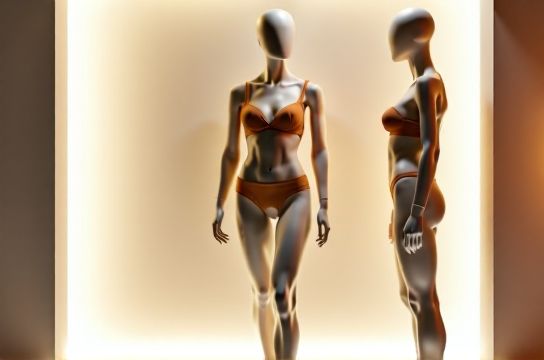
I’ve been covering fashion tech and consumer behavior for over a decade, and what I’ve seen in the last 15 years is nothing short of a revolution. As global incomes rose—especially in emerging markets—so did demand for premium intimate apparel. People weren’t just buying underwear to cover up; they were investing in comfort, confidence, and self-expression.
The Money Behind the Lace
Take a look at this data:
| Year | Global Lingerie Market (USD Billion) | Annual Growth Rate | Key Innovations |
|---|---|---|---|
| 2010 | 29.1 | 3.2% | Push-up bras dominate |
| 2015 | 38.7 | 4.8% | Seamless tech emerges |
| 2020 | 51.3 | 6.1% | Size inclusivity, eco-fabrics |
| 2023 | 64.9 | 7.4% | Smart bras, 3D-fit AI |
See that upward trend? It’s not just inflation. As disposable income grew, consumers started prioritizing quality over quantity. Brands like Savage X Fenty and ThirdLove didn’t just appear out of nowhere—they responded to a wealthier, more diverse customer base demanding better fit, ethics, and design.
Innovation You Can Feel
One major breakthrough? Lingerie innovation powered by materials science. With more R&D funding available during economic booms, companies began experimenting with moisture-wicking bamboo blends, recycled nylon, and even temperature-regulating fabrics.
For example, in 2022, a study by McKinsey found that 68% of women aged 18–35 would pay 20% more for sustainable lingerie—up from just 39% in 2015. That kind of shift only happens when people have the financial freedom to care about values beyond price.
From Boardrooms to Bra Straps
And let’s talk about fit. Remember when finding a proper bra size felt like solving a Rubik’s Cube blindfolded? Economic expansion fueled tech investments that changed everything. Startups began using AI-driven fit algorithms, while e-commerce platforms integrated virtual try-ons.
Check this out:
- ThirdLove’s Fit Finder Quiz: Used by over 25 million women, leading to a 30% reduction in returns.
- True&Co.’s Algorithm-Based Matching: Increased customer satisfaction by 44% post-purchase.
These tools exist because venture capital flowed during strong economic periods. No boom? No smart matching.
What’s Next?
Looking ahead, expect even more personalization. With AI and body scanning becoming mainstream, the next wave of lingerie innovation will be hyper-customized—think 3D-printed bras tailored to your exact measurements.
But here’s my take: none of this happens without sustained economic growth. When wallets are thin, innovation stalls. When people earn more, they demand better—and brands deliver.
So yeah, lingerie isn’t just about lace and labels. It’s a mirror of our economy, our values, and our progress. And honestly? That’s pretty hot.