Private Lives Public Shifts Lingerie in China Today
- 时间:
- 浏览:268
- 来源:CN Lingerie Hub
If you're trying to understand the lingerie market in China today, forget everything you thought you knew. This isn’t your grandma’s silk qipao moment — we’re talking bold cuts, body positivity, and e-commerce explosions. As someone who’s advised fashion startups and tracked consumer shifts across Asia, let me break down what’s really happening behind those lace curtains.
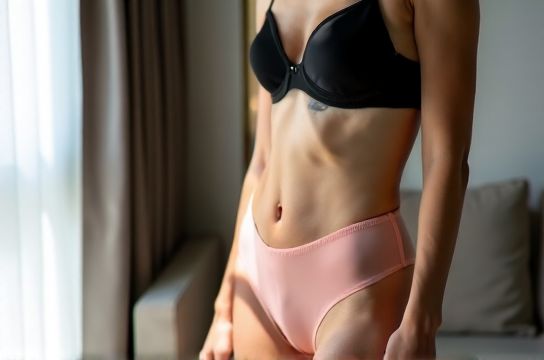
China’s lingerie scene has flipped from conservative whispers to loud, proud self-expression. And it’s not just about looks — it’s a cultural reset. In 2023, the Chinese intimate apparel market hit $28.6 billion, growing at 9.4% annually (Statista). What’s driving this? Young women, digital platforms, and a rejection of one-size-fits-all beauty.
Take comfort versus sexiness. A 2022 McKinsey survey found that 67% of urban Chinese women aged 18–35 prioritize comfort over traditional 'sexy' designs. But don’t mistake comfort for boring — think seamless bras with cloud-like fabric, sports-luxury styles, and inclusive sizing. Brands like NEIWAI内外 and Ubras are leading the charge, focusing on minimalism and functionality.
Now, here’s where it gets interesting: social commerce. Over 80% of lingerie purchases start on platforms like Xiaohongshu (Little Red Book) or Douyin (TikTok). Influencers don’t just model — they educate. Unboxing videos, fit guides, even mental health chats around body image. That trust translates to sales. Ubras pulled in $460 million in GMV during Singles’ Day 2023, largely driven by livestream campaigns.
The Real Game Changer: Sizing & Inclusivity
Western brands often stumble here. They assume cup sizes go up to D — but Chinese women’s bodies are changing fast. Improved nutrition and lifestyle mean more women now wear C and D cups than ever before. Yet many foreign labels still limit their size ranges in China.
| Brand | Max Cup Size Offered (China) | Local Market Share (2023) | Known For |
|---|---|---|---|
| NEIWAI 内外 | D | 18% | Minimalist design, cotton focus |
| Ubras | E | 22% | Innovative wireless tech |
| Aimer 爱慕 | F | 15% | Traditional luxury, wide fit range |
| Victoria's Secret (China) | D | 6% | Legacy brand, declining relevance |
See the pattern? The brands winning in China are those adapting to real local needs — not exporting ideals. Lingerie in China today is less about fantasy, more about function and identity.
And let’s talk sustainability. While not yet top-of-mind for all buyers, 44% of Gen Z shoppers say eco-materials influence their choice (Alibaba Group Report, 2023). NEIWAI already uses TENCEL™ and recycled lace — a quiet differentiator that builds long-term loyalty.
So what should brands do? First, listen. Partner with local KOLs who speak honestly, not just beautifully. Second, expand size ranges — inclusivity isn’t woke, it’s profitable. Third, optimize for mobile-first shopping. If your product page doesn’t load fast on Douyin, you’ve already lost.
Bottom line? The future of lingerie in China belongs to those who see intimacy as empowerment — not performance. It’s no longer private. It’s public, political, and incredibly profitable if you get it right.