From Tradition to Trend Chinese Lingerie Transformations
- 时间:
- 浏览:263
- 来源:CN Lingerie Hub
Let’s talk about something that doesn’t get enough spotlight — the wild evolution of Chinese lingerie. Seriously, this isn’t your grandma’s qipao undergarments anymore. Over the past two decades, China’s intimate apparel market has exploded, blending cultural roots with global fashion trends, tech innovation, and shifting social attitudes. If you're still picturing stiff silk bras from the 1950s, it’s time for a serious wardrobe (and mindset) upgrade.
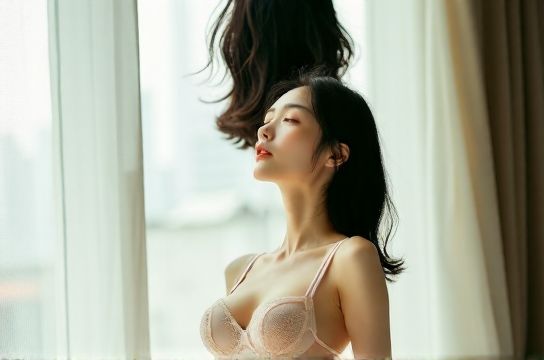
Back in the day, traditional Chinese undergarments were all about modesty and function. Think *dudou* — the diamond-shaped belly bands tied around the neck and waist. They weren’t sexy; they were symbolic, often embroidered with blessings for health and fertility. But fast forward to today? We’re talking lace, seamless tech fabrics, body positivity, and homegrown brands like NEIWAI (内外) and Ubras leading the charge.
What changed? A mix of rising female independence, e-commerce boom, and demand for comfort over constriction. According to Statista, China’s lingerie market hit $27.8 billion in 2023, with an annual growth rate of 9.3% — outpacing many Western markets. And here’s the kicker: over 60% of consumers are now aged 18–35, prioritizing self-expression and fit over rigid beauty standards.
Let’s break down how modern lingerie in China evolved across key dimensions:
Design & Aesthetics: From Modesty to Body Positivity
| Era | Style Focus | Materials | Cultural Message |
|---|---|---|---|
| Pre-1990s | Concealment | Silk, cotton | Modesty, tradition |
| 1990s–2010 | Femininity | Lace, synthetic blends | Western influence, romance |
| 2010–Present | Comfort & Identity | Modal, microfiber, bamboo fabric | Self-love, inclusivity |
Notice the shift? It’s not just about looking good — it’s about feeling seen. Brands now offer extended sizing (up to 4XL), gender-neutral lines, and campaigns featuring real women with stretch marks, scars, and all.
Tech Meets Tradition
China’s advantage? Speed and tech integration. Ubras went viral in 2020 with its “zero-pressure” bra using smart knitting and seamless design. Within months, it topped Tmall’s lingerie sales during Singles’ Day, raking in over ¥500 million ($70M). How? They listened: 78% of urban Chinese women say discomfort is their top reason for ditching wired bras (McKinsey, 2022).
Meanwhile, NEIWAI launched a carbon-neutral line in 2023, using recycled ocean plastic and biodegradable packaging. Sustainability isn’t a side note — it’s central to brand identity.
The Social Shift: Talking About Bras Openly
Five years ago, discussing bras publicly was taboo. Now, hashtags like #MyBodyMyRules have over 800 million views on Xiaohongshu (China’s answer to Instagram + Pinterest). KOLs (Key Opinion Leaders) openly review products, share fitting tips, and challenge beauty norms.
This openness has fueled innovation. For example, post-surgery lingerie lines are now mainstream, designed for mastectomy patients with magnetic closures and pocketed cups — compassionate design finally getting its due.
What This Means for Global Fashion
China isn’t just catching up — it’s setting trends. The focus on comfort-first design has influenced global giants like Victoria’s Secret, which revamped its lineup in 2022 to include more wireless and inclusive options. Meanwhile, Chinese brands are eyeing overseas expansion, with NEIWAI opening pop-ups in Paris and Los Angeles.
So whether you're into minimalist styles, eco-conscious materials, or just want a bra that doesn’t dig into your ribs, the new wave of Chinese lingerie has something to teach us all.