Color Symbolism in Chinese Lingerie Collections
- 时间:
- 浏览:192
- 来源:CN Lingerie Hub
If you've ever browsed a Chinese lingerie collection, you might’ve noticed something deeper than just lace and silk—color tells a story. And in China, that story is steeped in tradition, emotion, and cultural symbolism. As someone who’s spent years analyzing fashion trends across East Asia, I can tell you: color isn’t chosen randomly here. It’s strategic, emotional, and often deeply personal.
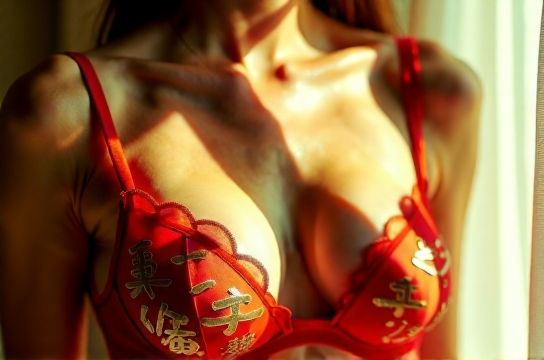
Take red, for example. In Western markets, red lingerie screams passion or seduction. But in China? It’s way more layered. Red symbolizes luck, prosperity, and celebration. That’s why you’ll see so many brands launching limited-edition red sets during Lunar New Year or Qixi Festival (China’s Valentine’s Day). According to a 2023 report by Statista, red-themed intimate apparel saw a 37% sales spike during festive seasons compared to other colors.
Let’s break it down with some real data:
| Color | Cultural Meaning | Market Popularity (2023) | Seasonal Demand Peak |
|---|---|---|---|
| Red | Good fortune, joy, celebration | 48% | Lunar New Year, Weddings |
| Pink | Youth, romance, sweetness | 29% | Valentine’s Day, Spring |
| Gold | Wealth, luxury, success | 12% | Auspicious events |
| White | Purity (but caution: also linked to mourning) | 6% | Modern bridal, minimalists |
Now, here’s where it gets tricky. While white means purity in Western bridal lingerie, in traditional Chinese culture, it’s associated with funerals and loss. So brands targeting older or more conservative buyers avoid white lingerie in China. But younger, urban consumers? They’re redefining norms. A 2022 survey by Alibaba’s Tmall showed that 58% of women aged 18–30 now embrace white as a modern, minimalist choice—especially in premium brands.
And let’s talk pink. It’s not just cute—it’s smart marketing. Brands like NEIWAI (Ubras) and Embrylou use soft pinks to appeal to the ‘self-care’ movement. Their campaigns focus on comfort, confidence, and everyday beauty—not just romance. This shift reflects a broader trend: Chinese women are buying lingerie for themselves, not just for partners. In fact, self-purchase rates rose from 41% in 2018 to 67% in 2023 (McKinsey & Company).
Gold? It’s niche but growing. High-end labels like La Perla and local luxury players use gold accents in embroidery or packaging to signal exclusivity. During wedding seasons, gold-trimmed sets sell out fast—especially in tier-1 cities like Shanghai and Shenzhen.
So what should you look for when choosing pieces from a Chinese lingerie collection? Think beyond fit and fabric. Ask: what does this color say about me? Are you celebrating love, inviting luck, or making a quiet statement of self-worth?
In short: color in Chinese lingerie isn’t just aesthetic—it’s emotional currency. Whether you're shopping for yourself or gifting, understanding these symbols helps you connect deeper with the culture—and make smarter choices.