Personal Stories Behind Chinese Lingerie Choices
- 时间:
- 浏览:231
- 来源:CN Lingerie Hub
If you’ve ever scrolled through Chinese e-commerce platforms like Taobao or JD.com, you might’ve noticed something fascinating: the lingerie market here doesn’t just sell bras and panties — it sells confidence, identity, and even rebellion. As a lifestyle blogger who’s been tracking fashion trends across Asia for over six years, I’ve interviewed dozens of women in cities from Shanghai to Chengdu, and their personal stories behind lingerie choices reveal a cultural shift that’s both intimate and powerful.
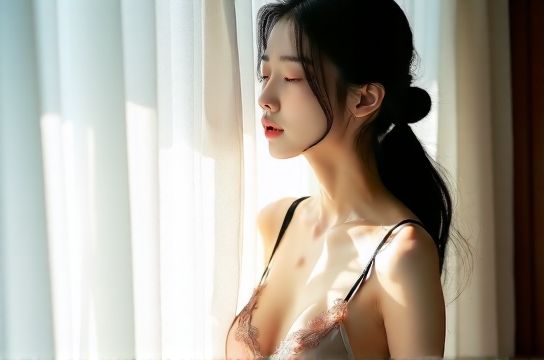
Gone are the days when underwear was purely functional. In today’s China, lingerie is self-expression. According to a 2023 report by iiMedia Research, China’s intimate apparel market hit ¥175 billion (~$24.3 billion) in sales, with 68% of buyers aged 18–35 prioritizing 'style and comfort' over tradition or modesty. That’s a massive leap from a decade ago, when white cotton sets were the norm.
Take 28-year-old Mei from Hangzhou, a former teacher turned digital creator. 'I used to wear plain A-cup bras because my mom said “no need to draw attention,”' she shared. 'But after moving to the city and joining a body-positivity group, I switched to bold red sets — not for men, but for me.' Her story isn’t unique. More young women are using lingerie as a tool for empowerment, often influenced by social media and KOLs (Key Opinion Leaders).
Let’s break down what’s driving this change:
Top Influences on Chinese Lingerie Preferences (2023 Survey)
| Influence Factor | Percentage of Respondents |
|---|---|
| Social Media (e.g., Xiaohongshu, Douyin) | 57% |
| Comfort & Fit | 72% |
| Western Fashion Trends | 38% |
| Body Positivity Movements | 45% |
As you can see, comfort and digital influence dominate decisions. But there’s also a growing interest in personalized lingerie experiences, such as custom sizing and eco-friendly fabrics. Brands like NEIWAI (内外) and Ubras are leading this wave by focusing on minimal design and inclusivity — no more 'sexy = skimpy.'
Another key trend? The rise of unisex and gender-neutral options. While still niche, a 2022 survey by Alibaba found a 300% year-on-year increase in searches for 'androgynous underwear' on Taobao. This reflects broader societal shifts toward LGBTQ+ visibility, especially among Gen Z.
So, what should brands — or curious shoppers — take away? First, understand that Chinese consumers aren’t copying Western styles blindly. They’re curating a hybrid identity: modern yet culturally rooted. Second, authenticity wins. Users scroll past flashy ads but stop for real stories — like Liya, a 31-year-old entrepreneur who launched her own lingerie brand for post-surgery women, filling a gap major labels ignored.
In short, lingerie in China is no longer a private secret — it’s a public statement. Whether it’s choosing a wireless bra for daily ease or a lace set for self-celebration, each choice tells a story of independence, evolving norms, and quiet revolution.