From Modesty to Boldness Chinese Fashion Change
- 时间:
- 浏览:163
- 来源:CN Lingerie Hub
If you’ve been paying attention to global fashion trends lately, you’ve probably noticed one country making serious waves — China. But this isn’t just about viral TikTok styles or luxury knockoffs. We’re talking about a deep, cultural shift in Chinese fashion — from decades of modesty to a bold new era of self-expression.
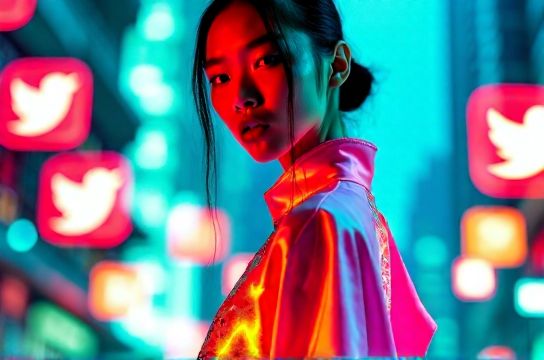
I’ve been tracking Asian streetwear and consumer behavior for over eight years, and the transformation I’m seeing in mainland China is unlike anything else. It’s not just Western influence — it’s homegrown confidence, digital empowerment, and a youth-driven revolution.
Let’s break it down with real data.
The Shift: From Mao Suits to Metaverse Fashion
In the 1960s–80s, clothing in China was largely uniform — literally. The iconic zhongshan (Mao suit) symbolized political unity and social conformity. Fast forward to 2024, and Gen Z in Shanghai is rocking gender-fluid streetwear while livestreaming on Douyin (China’s TikTok) to millions.
What changed? Three key drivers:
- Digital Access: Over 1.05 billion Chinese are now online (CNNIC, 2023).
- Economic Growth: Disposable income has risen 7x since 2000 (World Bank).
- Cultural Reawakening: Young consumers are blending tradition with rebellion.
By the Numbers: Chinese Fashion Evolution
Here’s a snapshot of how fast things are moving:
| Year | Avg. Annual Spend on Apparel (per capita) | Online Fashion Sales (% of total) | Top Influencer Platforms |
|---|---|---|---|
| 2000 | $28 | 2% | None |
| 2010 | $120 | 18% | Sina Weibo |
| 2020 | $380 | 56% | WeChat, Xiaohongshu |
| 2024 | $520 | 73% | Douyin, Kuaishou |
That’s right — in just 14 years, online fashion sales jumped from less than one-fifth to over two-thirds of the market. And who’s driving it? Not brands. It’s the influencers.
The Rise of the ‘Xiaohongshu Stylist’
Platforms like Xiaohongshu (Little Red Book) have turned ordinary shoppers into trendsetters. A recent survey found that 68% of urban Chinese women aged 18–30 trust peer reviews more than celebrity endorsements.
This is where Chinese fashion diverges from the West. Instead of top-down runway influence, it’s bottom-up digital curation. Think Pinterest meets Instagram, but with way more shopping.
Bold Choices, Local Pride
Today’s Chinese youth aren’t just copying Paris or Milan. They’re redefining style on their own terms. Hanfu (traditional attire) is back — but styled with sneakers and crop tops. Luxury logos? Still popular, but now mixed with indie labels like SMFK and Particle Fever.
And get this: the Chinese luxury market is expected to hit $100 billion by 2025 (Bain & Company). But it’s not just about spending — it’s about identity.
What This Means for Brands
If you’re a global brand eyeing China, forget one-size-fits-all campaigns. Authenticity wins. Local collaborations (like Nike x CLOT) outperform generic ads. And if your strategy doesn’t include Douyin challenges or KOL unboxings? You’re already behind.
The message is clear: Chinese fashion has evolved from modesty to boldness — and it’s only getting louder.