Private Lives Public Trends Chinese Lingerie Shifts
- 时间:
- 浏览:186
- 来源:CN Lingerie Hub
If you've been watching the fashion pulse in Asia, you’ve probably noticed one thing: Chinese lingerie is no longer just about function—it’s a full-blown cultural revolution. As a lifestyle blogger who's tracked intimate apparel trends across continents, I can tell you this shift isn’t temporary. It’s fast, fierce, and fueled by a new generation of women who see lingerie as self-expression, not secrecy.
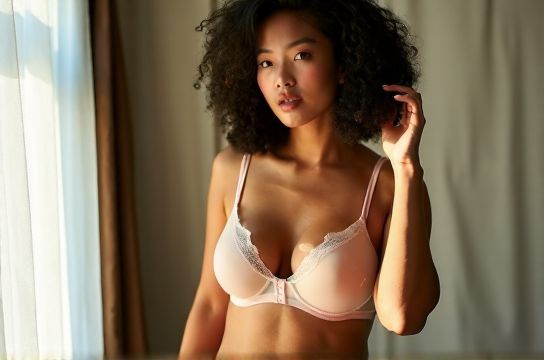
Gone are the days when white cotton bras dominated drawers. In 2023, China’s lingerie market hit $15.8 billion, with an annual growth rate of 9.3%—outpacing many Western markets (Statista, 2024). What’s driving this? Simple: rising disposable income, digital empowerment, and bolder attitudes toward body positivity.
Take the rise of homegrown brands like NEIWAI (内外) and Ubras. These aren’t copycats of Victoria’s Secret. They’re redefining comfort with gender-neutral designs, eco-friendly fabrics, and inclusive sizing. Ubras, for example, saw a 60% sales jump in 2023 after launching their wire-free 'Zero' series—proving that comfortable Chinese lingerie sells.
Why Traditional Taboos Are Fading
Let’s be real—lingerie used to be a hush-hush topic in China. But social media changed everything. Platforms like Xiaohongshu (Little Red Book) and Douyin (China’s TikTok) have turned bra shopping into a shared experience. Hashtags like #MyLingerieStory have over 400 million views. Women are posting unfiltered selfies, reviewing products, and normalizing conversations around fit, fabric, and freedom.
This openness has pushed retailers to innovate. Take size inclusivity: while global brands still struggle with extended cup sizes, NEIWAI offers up to an H-cup—catering to real Chinese body types, not Western ideals.
Market Breakdown: Who’s Leading the Change?
Here’s a snapshot of key players shaping the Chinese lingerie landscape:
| Brand | Founded | Key Innovation | 2023 Revenue (USD) |
|---|---|---|---|
| Ubras | 2016 | Wire-free, seamless design | $410M |
| NEIWAI | 2012 | Inclusive sizing, gender-neutral marketing | $380M |
| Curvy Mei | 2018 | Plus-size focus (DD+ cups) | $120M |
| Victoria’s Secret China | 2017 | Luxury appeal, celebrity collabs | $95M |
Notice something? Local brands dominate both innovation and revenue. Even international giants like Victoria’s Secret are now adapting—opening smaller, cozier stores with privacy-focused fitting rooms to align with local values.
What This Means for Global Brands
If you're eyeing the Chinese market, forget one-size-fits-all strategies. Chinese consumers want personalized, body-positive Chinese lingerie experiences. That means investing in localized R&D, ethical sourcing, and authentic storytelling.
The bottom line? Lingerie in China is no longer private—it’s political, personal, and powerfully public. And if your brand isn’t speaking this language, you’re already behind.