Lingerie as Expression in Urban Chinese Culture
- 时间:
- 浏览:163
- 来源:CN Lingerie Hub
In today’s fast-evolving urban China, lingerie is no longer just about function—it’s a bold statement of identity, confidence, and cultural shift. As a lifestyle blogger who’s been tracking fashion trends across Beijing, Shanghai, and Shenzhen for over five years, I’ve seen firsthand how intimate apparel has transformed from a private secret to a public symbol of self-expression.
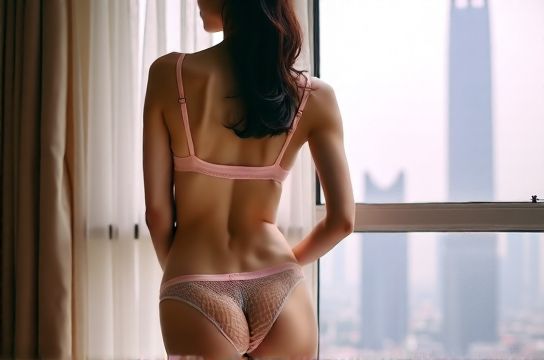
Gone are the days when underwear drawers were filled only with plain white cotton bras. Now, Gen Z and millennial women are embracing lingerie as fashion—wearing lace bralettes under sheer tops, rocking bold red sets for date nights, or choosing minimalist designs that reflect their ‘quiet luxury’ mindset. This isn’t just a trend; it’s a cultural awakening.
According to a 2023 report by iiMedia Research, China’s lingerie market hit ¥175 billion (~$24.3 billion USD), with urban consumers aged 18–35 making up 68% of sales. What’s more interesting? Over 60% of these buyers said they chose designs based on ‘how it makes me feel,’ not just fit or comfort.
Let’s break down what’s driving this shift:
The Rise of Body Positivity & Local Brands
International giants like Victoria’s Secret once dominated the scene, but now homegrown brands such as NEIWAI (内外) and Ubras are leading the charge. Why? Because they speak directly to Chinese women’s values—comfort, authenticity, and subtle elegance.
Take NEIWAI, for example. Since launching in 2012, they’ve built a cult following by using real women—not models—in campaigns and promoting the slogan “True Beauty Lies in Authenticity.” Their 2022 campaign #NoBodyIsNobody sparked nationwide conversations on body image.
| Brand | Founded | Key Message | Urban Market Share (2023) |
|---|---|---|---|
| NEIWAI | 2012 | Comfort & Confidence | 24% |
| Ubras | 2016 | No-Wire, No-Worry | 19% |
| Victoria’s Secret | 1977 (entered CN 2015) | Sexy & Glamorous | 11% |
| Maniform | 2002 | Fashion-Forward Fit | 15% |
As you can see, local brands are winning by aligning with modern values. While Victoria’s Secret still holds sway among gift buyers and older demographics, younger shoppers are voting with their wallets—for inclusivity and comfort.
Lingerie as Empowerment, Not Objectification
This shift also reflects broader social changes. In cities like Hangzhou and Guangzhou, women are delaying marriage, pursuing careers, and redefining femininity. Lingerie becomes part of that narrative—not for male gaze, but for self-gaze.
I recently interviewed Lily Chen, a 29-year-old designer in Shanghai, who said: “I wear a red lace set not because someone will see it—but because it makes me feel powerful when I walk into a meeting.” That’s the new mantra: what I wear underneath defines how I show up in the world.
And let’s talk innovation. Ubras pioneered wireless bras using adaptive fabric technology, selling over 1 million units in one month during the 2023 Singles’ Day festival. Meanwhile, NEIWAI launched a gender-neutral line called ‘Lingerie Beyond Gender’, challenging traditional norms and attracting LGBTQ+ and ally communities.
How to Choose Lingerie That Speaks to You
- Know your values: Do you want comfort, sensuality, or rebellion?
- Try local brands: They’re designed for Asian body types and lifestyles.
- Wear it proudly: Even if no one sees it—you do.
In conclusion, urban Chinese culture is redefining lingerie—not as an object, but as an act of self-authorship. Whether it’s through color, cut, or campaign messaging, every choice tells a story. And right now, Chinese women are writing theirs with boldness, grace, and unapologetic authenticity.