From "Nei Yi" to Fashion Statement: A Cultural History of Chinese Lingerie
- 时间:
- 浏览:183
- 来源:CN Lingerie Hub
Once tucked away in the shadows of tradition, Chinese lingerie—or nei yi (内衣)—has emerged as a bold fashion statement. What was once purely functional has transformed into a symbol of empowerment, identity, and cultural evolution. Let’s dive into how China’s intimate apparel journeyed from modesty-driven undergarments to runway-ready revelations.
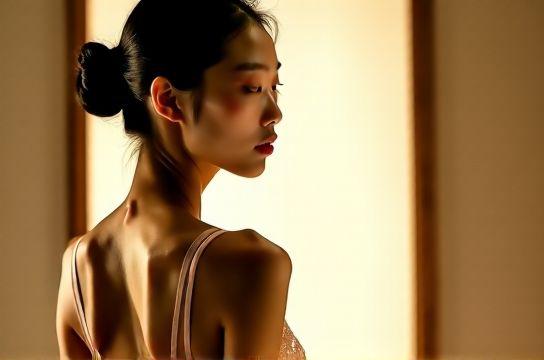
The Quiet Beginnings: Nei Yi in Ancient China
In ancient times, Chinese lingerie wasn’t about allure—it was about restraint. Women wore loose silk vests or binding garments that concealed rather than accentuated. Confucian values emphasized modesty, so visibility of the body was taboo. The concept of 'beauty' was internal, not physical.
Fast forward to the early 20th century: the qipao (cheongsam) subtly shifted perceptions. Though still conservative by Western standards, its form-fitting silhouette hinted at a changing attitude toward the female form.
Reform, Revolution, and the Red Undergarment
The 1950s–70s brought political upheaval—and so did underwear drawers. With Mao’s emphasis on gender equality and austerity, frilly lace was out; cotton bra-vests known as *muyingyi* (nursing tops) became standard. Function over fashion ruled. Even the color white, associated with mourning, gave way to practical shades like gray and blue.
The 1990s: The Silk Revolution
As China opened up economically, so did its wardrobe. The 1990s saw the arrival of international brands like Victoria’s Secret and Triumph. Suddenly, lingerie wasn’t just for hiding—it was for celebrating.
A pivotal moment? The 1995 Beijing World Conference on Women. Global feminist discourse seeped into local consciousness, sparking conversations about body autonomy and self-expression.
| Era | Style | Material | Social Significance |
|---|---|---|---|
| Imperial China | Loose silk undershirts | Silk, cotton | Modesty, class distinction |
| Mao Era (1950s–70s) | Cotton bra-vests (*muyingyi*) | Cotton | Equality, practicality |
| Reform Era (1990s) | Laced bras, padded sets | Polyester, lace | Modernization, femininity |
| 2020s | Minimalist cuts, inclusive sizing | Microfiber, organic cotton | Body positivity, individualism |
Today’s Intimate Identity: More Than Just Fabric
Modern Chinese women aren’t just buying bras—they’re making statements. Homegrown brands like NEIWAI (literally 'inner clothes') champion comfort and inclusivity. Their bestselling 'True Shape' bra focuses on natural contours, rejecting push-up culture.
Data shows a shift: a 2022 McKinsey report found that 68% of urban Chinese women prioritize comfort over sex appeal in lingerie choices. And sustainability? 43% now consider eco-materials when purchasing.
What’s Next?
The future of Chinese lingerie lies in blending heritage with innovation. Expect more AI-driven fit tech, gender-neutral lines, and designs inspired by traditional embroidery—but reimagined for the modern soul.
From silent constraint to vocal confidence, nei yi is no longer just what’s underneath. It’s what’s within—bold, beautiful, and unapologetically Chinese.