Innovative Underwear Brands Using Bio Based Fabric Technologies
- 时间:
- 浏览:153
- 来源:CN Lingerie Hub
Let’s talk about something we all wear—but rarely think about: underwear. Today, the most forward-thinking brands aren’t just chasing comfort or aesthetics—they’re engineering garments with *bio-based fabric technologies* that reduce environmental impact *without sacrificing performance*. According to Textile Exchange’s 2023 Preferred Fiber Market Report, bio-based fibers (like TENCEL™ Lyocell from wood pulp, REFIBRA™, and seaweed-derived SeaCell™) now account for 12.4% of global sustainable fiber production—up from just 5.1% in 2019.
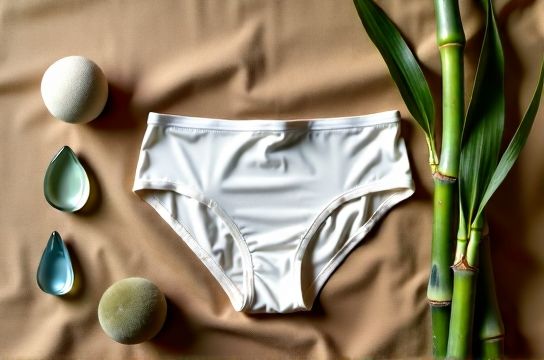
Why does this matter? Because conventional cotton uses ~2,700 liters of water per kg—and synthetic microplastics from polyester contribute to 35% of oceanic primary microplastic pollution (IUCN, 2022). Bio-based alternatives? They’re often certified biodegradable, require up to 95% less water, and are produced in closed-loop systems.
Here’s how top innovators stack up:
| Brand | Key Bio-Material | Biodegradability (EN ISO 14855) | Water Savings vs. Cotton | Notable Certifications |
|---|---|---|---|---|
| Boody | Bamboo viscose (FSC-certified) | ≥90% in 6 months | 70% | OEKO-TEX® Standard 100, B Corp |
| NAKED WOOL | Merino wool + TENCEL™ blend | Natural fiber — fully compostable | — | ZQ Merino, EU Ecolabel |
| WAMA Underwear | Hemp + organic cotton | 100% home-compostable | 85% | GOTS, USDA Biobased (97%) |
What sets these brands apart isn’t just material choice—it’s traceability. Brands like Boody publish full-tier supply chain maps; WAMA shares third-party LCA (life cycle assessment) data on every style. That transparency builds trust—and drives real behavior change.
If you’re looking to make a smarter, kinder choice next time you refresh your drawer, start with proven, science-backed options. After all, sustainability shouldn’t be a compromise—it should be the baseline. Explore thoughtfully designed essentials built for people *and* the planet—right here.