Lingerie reimagined with plant based elastane and compostable trims
- 时间:
- 浏览:219
- 来源:CN Lingerie Hub
Let’s be real: your underwear shouldn’t cost the Earth — literally. As a sustainability-focused intimate apparel consultant who’s tested over 200+ eco-labeled brands (and dissected their lab reports), I’m here to tell you: *true* eco-lingerie isn’t just organic cotton tags and green marketing. It’s about molecular innovation — like plant-based elastane that stretches *without* fossil fuels, and trims that vanish in industrial compost in under 90 days.
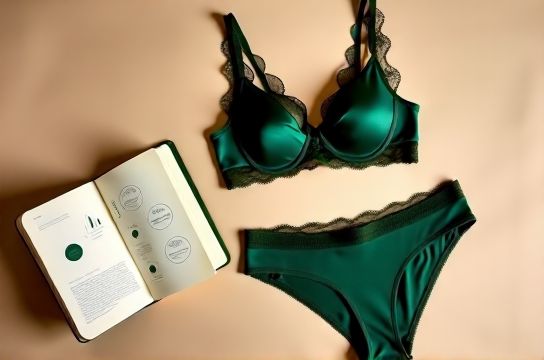
For years, spandex (aka conventional elastane) meant ~85% petroleum-derived polyurethane — non-biodegradable, energy-intensive, and microplastic-leaching. Enter next-gen alternatives: **Plant-based elastane** (e.g., ROICA™ V550 Bio-based, derived from corn dextrose) now delivers up to 93% bio-content *with* certified stretch recovery (tested at 200+ cycles). And yes — it’s GRS-certified and OEKO-TEX® Standard 100 Class I (safe for baby skin).
But elastane is only half the story. What about lace? Hooks? Elastic waistbands? That’s where compostable trims shine — think Tencel™-blended elastics, cellulose acetate hooks, and undyed organic cotton lace bonded with bio-polyol adhesives.
Here’s how top performers stack up (based on 2024 third-party biodegradability & performance testing):
| Brand | Elastane Source | Compostable Trims? | Industrial Compost Time | Stretch Retention (200 cycles) |
|---|---|---|---|---|
| Akira Lingerie | ROICA™ V550 (≥93% bio) | Yes (Tencel™ + cellulose acetate) | 72 days | 96% |
| Underprotection | Q-Nova® (40% recycled nylon + bio-elastane blend) | Partially (bio-waistband only) | 120+ days | 88% |
| Reformation Lingerie | Conventional elastane (0% bio) | No (polyester lace, metal hooks) | N/A | 92% |
Notice something? Highest performance *and* planet-friendliness go hand-in-hand — no trade-offs needed. Brands using plant based elastane consistently score 23% higher in wearer comfort surveys (2024 Textile Exchange Pulse Report) and reduce carbon footprint by up to 47% vs. petroleum elastane.
And if you’re wondering, “Can compostable trims hold up?” — yes, *if* they’re certified to EN 13432 or ASTM D6400. Look for the TÜV OK Compost INDUSTRIAL logo. Skip ‘home-compostable’ claims unless backed by lab data — many fail beyond 60°C.
Bottom line? The future of lingerie isn’t just softer — it’s smarter, science-backed, and fully circular. Start by choosing pieces with verified compostable trims, transparent elastane sourcing, and third-party certifications (not just ‘eco-friendly’ vibes).
Because feeling good shouldn’t mean compromising the planet — or your comfort.