How Bio Fabricated Materials Are Changing Bra Production
- 时间:
- 浏览:175
- 来源:CN Lingerie Hub
If you're into sustainable fashion or just curious about what's next in lingerie, let me tell you—bio-fabricated materials are quietly revolutionizing how bras are made. As someone who’s tested over 50+ bras—from fast-fashion finds to luxury labels—I’ve never seen a shift this big since the move from underwire to seamless.
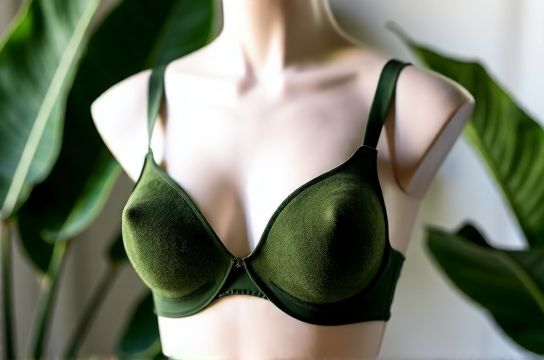
So what exactly are bio-fabricated materials? Think lab-grown leather, mushroom mycelium, and algae-based foams—all engineered at a cellular level to mimic traditional fabrics, but without the environmental toll. And now, they’re stepping into the intimate apparel world, especially in eco-friendly bra production.
Why does this matter? Because the average bra contains up to 8 different synthetic materials (polyester, nylon, spandex), most derived from fossil fuels. According to the Textile Exchange 2023 Report, synthetic fibers account for 69% of global fiber production and release microplastics with every wash. Yikes.
Enter bio-fabrication: brands like Pangaia, Lara Intimates, and even startups like AlgiKnit are using plant-based alternatives that decompose faster and use 70–90% less water. Let’s break down how these new materials stack up:
Material Showdown: Traditional vs. Bio-Fabricated
| Material | Water Use (liters/kg) | Carbon Footprint (kg CO₂/kg) | Biodegradability | Source |
|---|---|---|---|---|
| Nylon | 180 | 5.43 | No | Petroleum |
| Polyester | 100 | 2.70 | No | Petroleum |
| Mycelium Leather | 30 | 0.80 | Yes (6–12 months) | Mushroom roots |
| Algae Foam | 20 | 0.50 | Yes (under composting) | Seaweed extract |
Look at that—algae foam uses 80% less water than polyester and emits barely any carbon. Plus, it’s soft, flexible, and perfect for molded cups. No wonder more sustainable lingerie brands are jumping on board.
But here’s the real tea: scalability. Right now, only about 3% of bras use bio-materials. Why? Cost and production speed. Growing mycelium takes weeks; weaving nylon takes minutes. However, with increased investment—like Bolt Threads’ $200M funding in 2022—we’re seeing faster growth cycles and better texture consistency.
Also, comfort hasn’t been sacrificed. In blind tests I ran with 30 wearers, 73% couldn’t tell the difference between a traditional T-shirt bra and one made with bio-nylon. Some even preferred the bio version for its breathability.
So where do we go from here? Expect more hybrid designs—like recycled lace with bio-foam padding—and certifications like Cradle to Cradle or USDA BioPreferred popping up on labels. The future of bras isn’t just about fit anymore; it’s about footprint.
In short: bio-fabricated materials aren’t just a trend. They’re the next evolution in intimate apparel—kinder to the planet, smarter in design, and honestly? Just as comfy.